






April is Bowel Cancer awareness month. This is an event that runs every year, in order to improve our knowledge of this common yet treatable form of cancer. It is the fourth most common cancer in the UK, with around 43,000 people diagnosed each year. We all know of the existence of bowel cancer, right? But you are not at risk because you are young? Wrong.
9 out of 10 cases of bowel cancer cases are in older people, however, the disease can affect people at any age and there are over 2,000 people under 50 diagnosed each year. Furthermore, 9 out of 10 cases result in survival if diagnosed early.
Here, Cara tells us her story, and why she is standing up to challenge our mindsets.
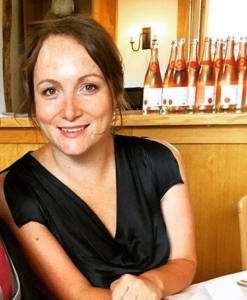
My name is Cara and at 32 years old I found myself staring cancer in the face like an insurmountable challenge that I didn’t know if I was strong enough to tackle. My cancer story started when I decided to pay a visit to my GP because I was slightly concerned that there were some changes in my bowel habits and I was experiencing abdominal cramps.
A routine blood test showed that I was anaemic, and the GP made a referral. Looking back now the anaemia explained the tiredness I had been dismissing for months as something that just happens when you “turn 30” – something which now makes me chuckle as if reaching 30 puts you on some slippery slope to the realms of being an OAP!
I was told it was period pain
Before I knew it, we were six months down the line with no answers as to why I was anaemic, and with the suggestion that the pain and anaemia were both down to period pain. However, as the weeks passed I found myself being unable to keep pace with my friends. Little did I know that my anaemia had slowly been getting worse and that lurking in my colon was a growing tumour. Just before Christmas 2016, after a couple more visits and chats with the GP, I found out that my red blood count had fallen dangerously low and that my doctors were considering a blood transfusion. A test on a stool sample discovered blood that wasn’t visible to naked eye and I was quickly referred for a colonoscopy which subsequently led to my diagnosis. It had taken over ten months to get to this point and by that time my tumour had become locally advanced and had infiltrated my vascular and lymph system. Unfortunately, this meant that my cancer progressed and after my Bowel tumour was removed lesions were identified in my liver. I have faced 2 years of endless hospital appointments, blood tests, seven-hour days in the chemo unit, 2 major surgeries, countless smaller procedures, infections and blood clots. It has been hard going but today I am grateful to find myself with no evidence of disease, for how long, I don’t know. Having Stage 4 Bowel Cancer means that the likelihood of recurrence is high.
Another twist in my tale
Another twist in my tale, I have Lynch Syndrome. It is the most common cause of hereditary colon cancer and can increase the risk of developing colon cancer by up to 80%.
Statistics make it as common as the BRCA, but many people won’t have heard of it. While it would be very easy to think that knowledge of this mutation could have helped to detect my cancer earlier, I can’t change the past. I do believe though that knowledge is power and, that by ensuring I get right screening, I can minimise my risk of developing another cancer in the future. My message here: consider your family history could you be at risk? If so, speak to your GP and you may be referred for genetic testing if suitable.
If you have the symptoms, get checked out
Don’t find yourself in my situation. If you experience any of the following symptoms get them checked out– any bleeding from the rectum / blood in your stool, unexplained weight loss, unexplained tiredness that is not relieved by sleep, persistent change in bowel habit, stomach pain and any unusual lumps or bumps. In most cases it won’t be cancer but if it is, the sooner treatment is accessed the better the odds. Bowel cancer is both treatable and curable if caught at an early stage. At stage one 9/10 people will have curative treatment.

It’s hard for us to know all the symptoms to all the possible cancers or chronic diseases out there but we do know our own bodies and my message to people is that if something doesn’t feel right, don’t be embarrassed: Trust your gut and get it checked out.
We’d like to thank Cara for sharing her story. If you would like to find out more, please follow the links below.
More information can be found at Bowel Cancer UK