



We don’t talk about it but it’s something that happens to millions of us across the UK everyday and causes us to live in constant fear and embarrassment. Yes, that’s right we’re talking about…incontinence. The NHS estimates that there are around 14 million people who have bladder control problems and around 6.5 million people who suffer from poor bowel control and these are people of all ages – incontinence is not an issue just for the elderly.
Did you know that for many people, incontinence issues can be vastly improved just by adjusting what we eat and drink? In this article, we explore how what we consume can affect our bladder and/or bowel.
Foods that irritate the bladder
If you suffer from and overactive bladder or urge incontinence, there are certain foods that can aggravate your condition and leave the bladder feeling irritated and sore. We’re going to explore some of these in more detail below.
Chocolate
Chocolate can be a bladder irritant as it contains caffeine, which can increase bladder activity and act as a diuretic. The good news is that different types of chocolate contain more or less caffeine however, so you may find some that are gentler on your system than others.
Darker chocolate is the worst culprit (although hailed by many as being better for you) so choosing milk or white chocolate could help.
| Type of Chocolate | Typical Cocoa Content | Caffeine per 100g (mg) | Caffeine per 30g Serving (mg) |
|---|---|---|---|
| White Chocolate | 0% cocoa solids | 0 mg | 0 mg |
| Milk Chocolate | 10–20% cocoa solids | 5–10 mg | 1–3 mg |
| Dark Chocolate (50–60%) | 50–60% cocoa solids | 20–30 mg | 6–9 mg |
| Dark Chocolate (70–85%) | 70–85% cocoa solids | 40–80 mg | 12–24 mg |
| Very Dark Chocolate (90–100%) | 90–100% cocoa solids | 80–100 mg | 24–30 mg |
| Cocoa Powder (Unsweetened) | 100% cocoa | 200–230 mg | 60–70 mg |
| Chocolate Chips (Semi-Sweet) | ~50% cocoa solids | 25–35 mg | 8–11 mg |
Caffeine is also present in tea, coffee and cola, although these days there are some very good caffeine free alternatives to all of these, so we advise choosing those if you can’t go without.
Tomatoes and Citrus
The acid content in tomatoes and citrus foods such as lemons, oranges and grapefruit make them an ideal villain for your bladder! The high citric acid content can irritate the bladder wall, making you more susceptible to overactive bladder symptoms.
Grapefruit should also be avoided if you’re on certain medications as it can interfere with how your body responds to treatments – speak to your GP if you include grapefruit regularly in your diet, if you’re taking prescribed medications.
Alcohol
There aren’t many good reasons to drink alcohol, except for the fact that it aids social bonding! So reduce or eliminate it from your routine if at all possible, or reserve it for special occasions. Alcohol causes your bladder to produce more urine by suppressing the hormone vasopressin (which controls how much water you excrete) which can lead to dehydration and more concentrated urine, which can inflame the bladder lining.
There are some amazing low or no-alcohol alternatives on the market, so try some of these and see if you can make the switch!
Fizzy Drinks
The National Association for Continence talks about the ‘Big Four’ bladder irritants – one of which is carbonated drinks. Often packed with artificial sweeteners – or good old fashioned sugar – the carbonation in fizzy drinks can often cause irritation and sensitivity in an overactive bladder.
Spicy Foods
When it comes to spicy foods and your bladder, the chances are if the food is hot to eat, then your bladder and bowel may also find it too hot to handle!
Super spicy foods have a tendency to irritate the bladder lining due to the active compound capsaicin, and can contribute to chronic bladder pain. Excessive amounts of spicy foods can also upset the bowel.
Sugar and Sweeteners
It is thought that sugar acts as a stimulant on the bladder leading to increased urgency and frequency. It is worth trying to cut back on as much sugar in your diet as possible.
Too much sugar in your diet can also lead to more frequent UTI’s, which can cause issues with urinary incontinence. This can caus that urgent need to urinate and lead to leaks and wetting. It can also lead to neurogenic bladder, which is where the signals from your brain are disrupted, so your bladder becomes under or overactive.
Foods that Calm your Bladder
A sensitive bladder can react to a number of different foods, but if you’re more sensitive than most, there are certain foods you can fall back on if you need a way to return to a comfortable, calm bladder.
Potatoes
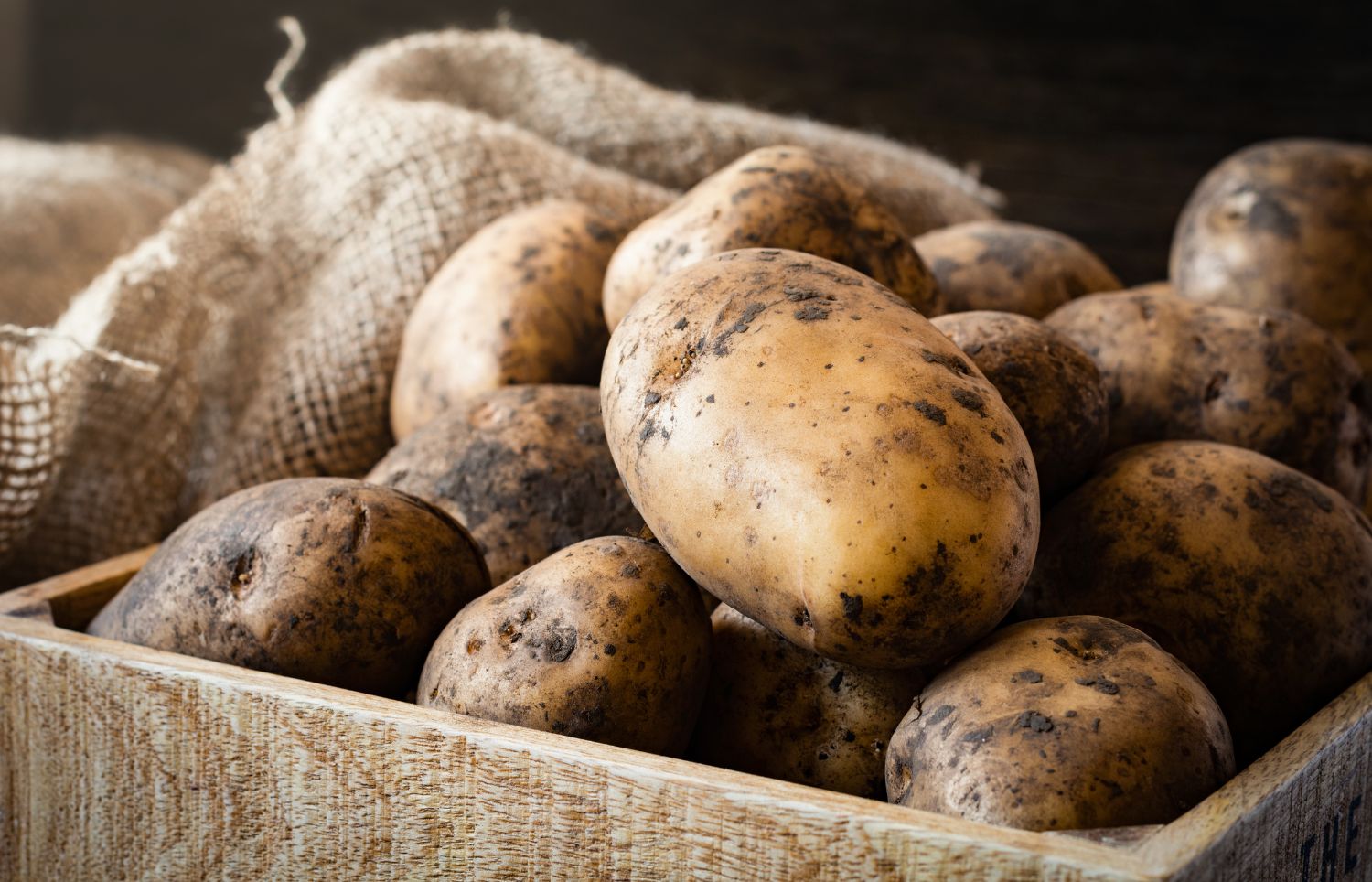
They aren’t the most exciting vegetable, but can offer a great source of fibre, antioxidants and nutrients if you make sure you include the skin in your meals as well as the white flesh. The way in which you prepare potatoes helps of course – avoid cooking potatoes in a lot of fat and salt (sorry, chips are off the menu!) for best health benefits, and vary what you eat them with to keep them interesting.
Cranberry juice – good or bad?
It has long been thought that cranberry juice can help prevent urinary tract infections due to properties that stop bacteria from sticking to the bladder wall, however leading urologists say that there isn’t any evidence to support this claim. Cranberry juice is also naturally very acidic, which could lead to bladder irritation.
Eggs
A natural source of Omega-3s, eggs offer protein and essential vitamins to help your body operate well. Rich in B-Vitamins and Antioxidants, they also offer healthy fats, protein and Vitamin A which supports the immune system. As with potatoes, cook them with care and you’ll have a healthy, balanced and nutritious snack or meal for when your bladder needs calming.
You can find out exactly what each chicky egg can provide via British Lion.
Fibre
Increasing your fibre intake can benefit both your bladder and bowel. Eating a healthy diet high in fibre can help to regulate your bowel movements and prevent constipation and overflow incontinence. Relieving constipation can also decrease any pressure on your bladder and reduce any bladder symptoms.
If your constipation is caused by inflammatory bowel disease it is best to consult your specialist, as a high fibre diet could lead to further damage in the bowel.
Water – should you drink less or more?
If you’re experiencing bladder incontinence, you might naturally think that the best thing to do is to reduce your fluid intake. In fact, reducing the amount you drink can be counter-intuitive as this can lead to more concentrated urine, which will lead to an increase in bladder irritation.
You should still aim to drink the recommended amount of 6-8 glasses a day to keep your urine clear and neutral. If nocturia or nocturnal enuresis is a concern for you, look to increase your fluid intake in the first part of the day and limit what you drink in the evening to reduce an overactive bladder at night. Drinking little and often can also ensure your body absorbs the right amount of liquid, instead of overloading the bladder and causing it to offload the valuable liquid it may later need!
Low Fat Diet
A diet high in fat has been found to increase your chances of developing Urinary Incontinence, according to research. A higher Body Mass Index (BMI) was a contributing factor. Being at a healthy BMI will help to reduce the pressure on your pelvic floor muscles and provide better support to your bladder and bowel and improve your ability to better control the sphincter muscles. Making small changes like cutting out that extra snack or switching to lower fat options can make all the difference.
Further Information
All of the above topics are conservative measures that you can adopt to help improve your bladder function and maintain a more comfortable urinary system. It is important to consult your GP or healthcare practitioner before embarking on any advice. If you are suffering from any significant bladder or bowel problems, you will need to speak to a medical professional to decide on the best route of treatment for you.