




Catherine started experiencing rectal prolapse in 2020, at the height of the...


Blader & Bowel

With lockdown restrictions lifting further still, and with the recent announcement that...
















Tamsulosin hydrochloride is a medicine which is used to treat benign prostatic hyperplasia.


After enduring rounds of tests Melissa was finally diagnosed with endometriosis. Read...









Nutrition and hydration week is a social movement which supports positive discussions...

























This Returns Policy describes - Pellentesque habitant morbi tristique senectus et netus...



















'Invincible Claire' was diagnosed with premature ovarian insufficiency and thyroid disease, after...











After years of suffering uncontrolled Ulcerative Colitis, Dan Callaghan underwent stoma surgery...







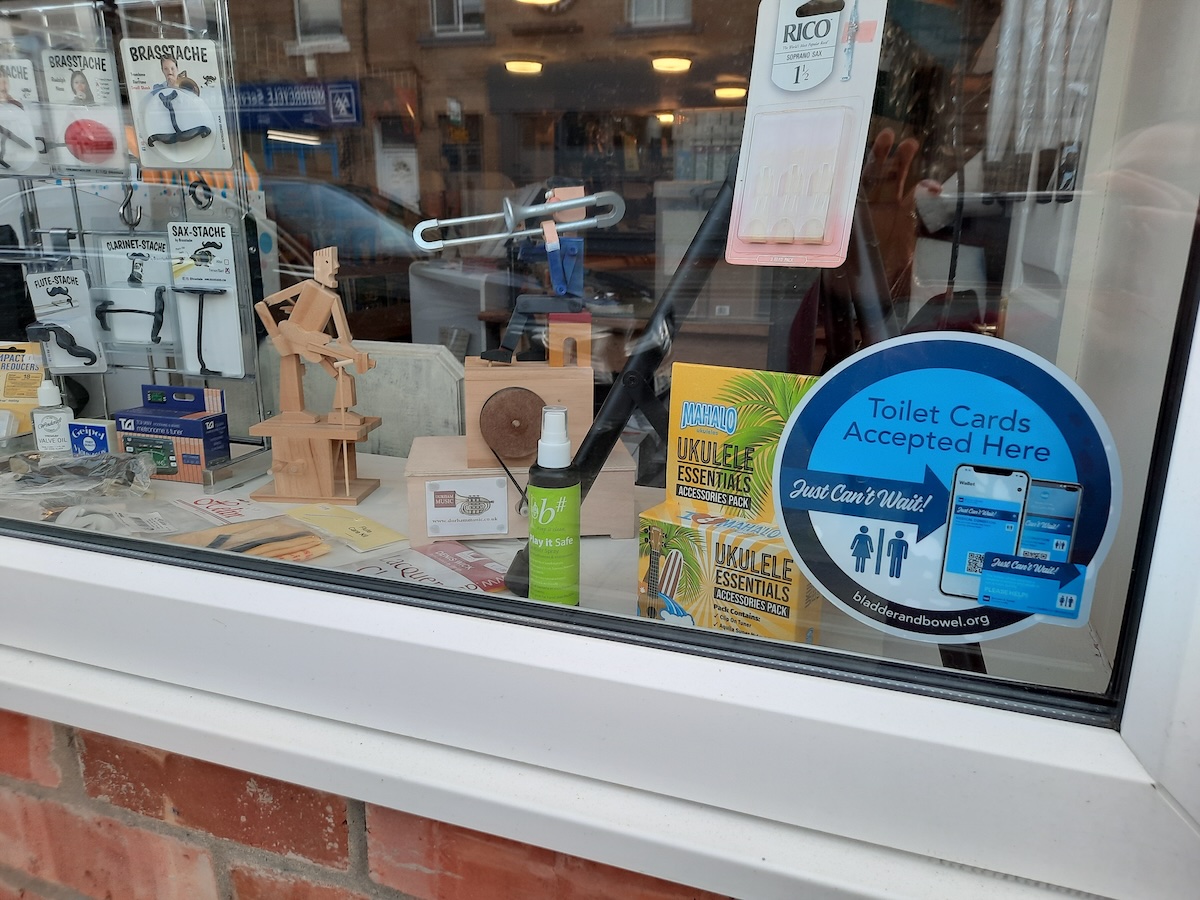
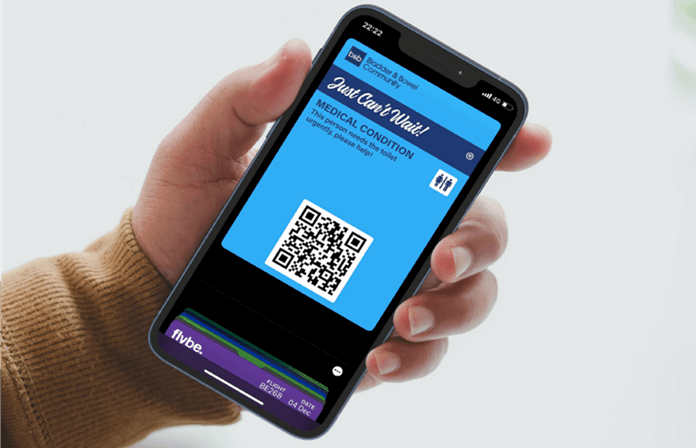
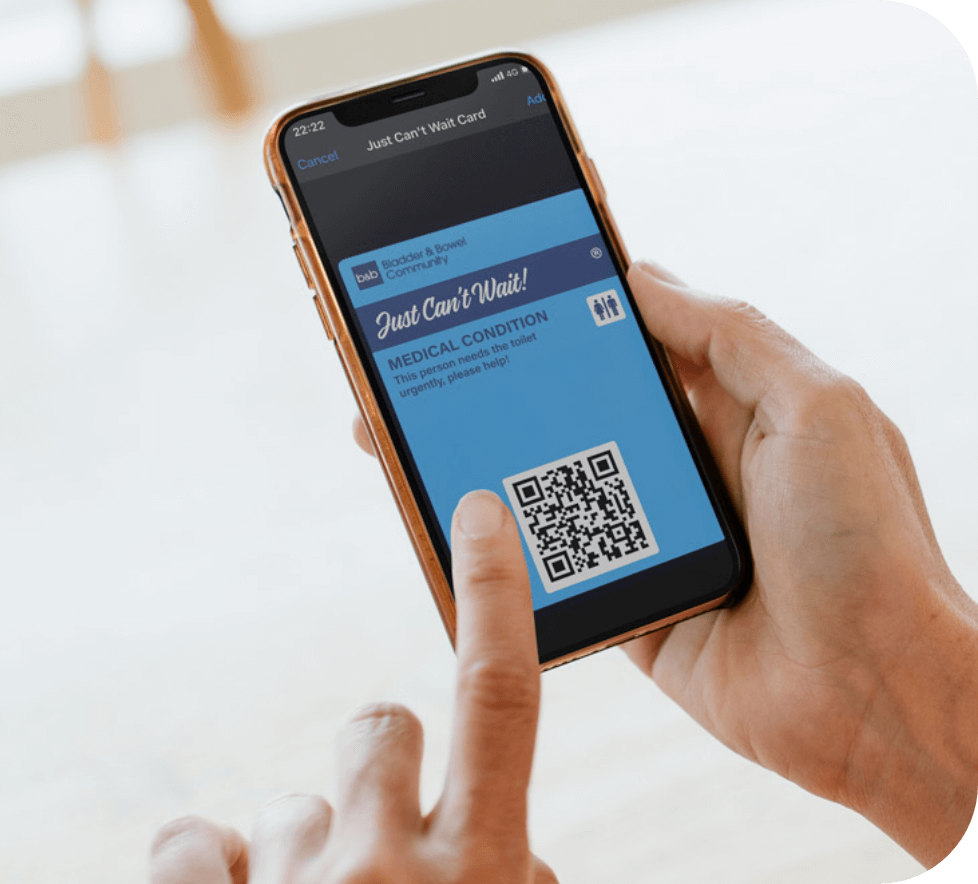
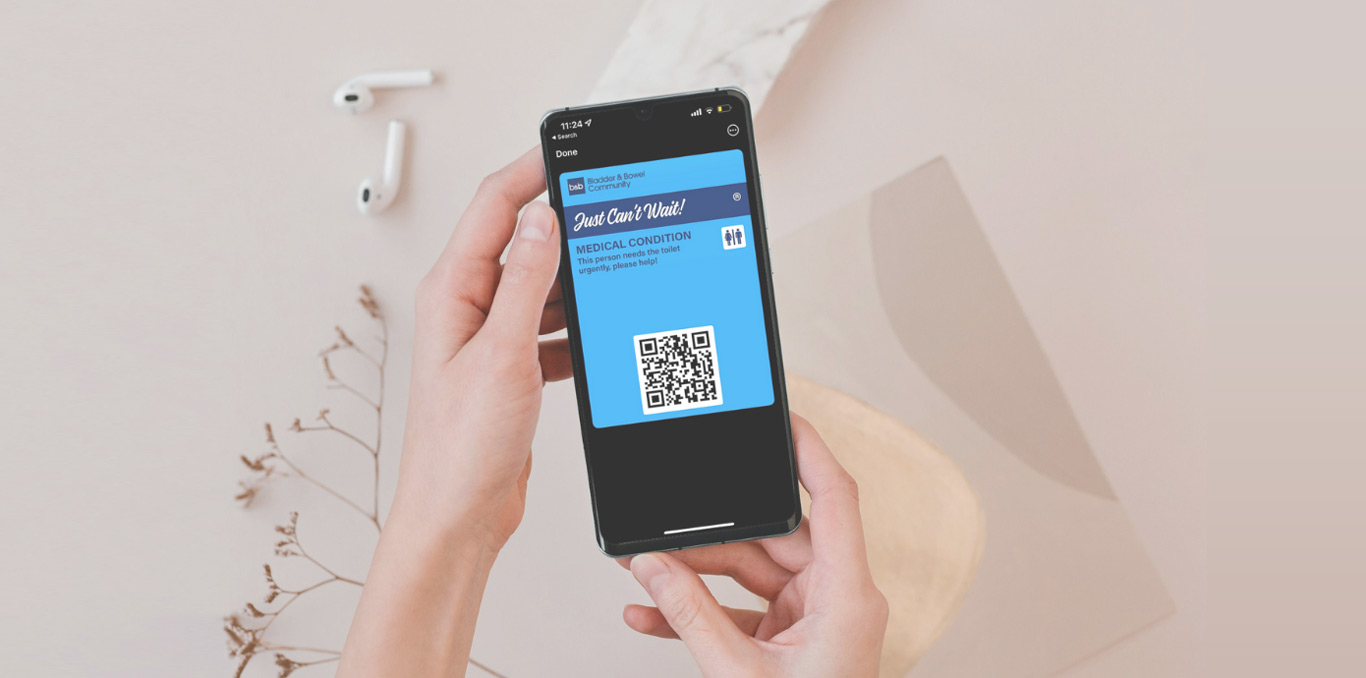
Introducing the national Just Can’t Wait Toilet Scheme for participating businesses and...













People who are diagnosed with Multiple System Atrophy (MSA) experience significant bladder...



Zoe, 24 from Oxfordshire/Northamptonshire border tells Bladder and Bowel Community how...


















































Occasionally people may experience problems with their urinary catheters or accessories and...



Director Joanne Umbers represents the Community in the discussion around public toilets...


























If you are currently receiving chemotherapy treatment for metastatic colorectal cancer with...













Urinary incontinence can be painful, embarrassing, and even debilitating. Whether it is...
Have you recently been diagnosed with incontinence? Maybe you’ve been experiencing symptoms...












Harriet Foulkes-Arnold, 34 from Shrivenham, suffered from leaks after having her first...


































AD This article contains links Published on 20/6/17 The impact of urinary incontinence...



Designed by chartered physiotherapists specialising in Pelvic Health working in the NHS,...




Post Prostate Cancer surgery? Suffering with leaks? A revolutionary, new incontinence treatment...


Dr. Adrian Wagg, from the University of Alberta, is conducting a survey exploring women’s sources of...

New early warning system to prevent life-threatening urinary infections in catheter users....
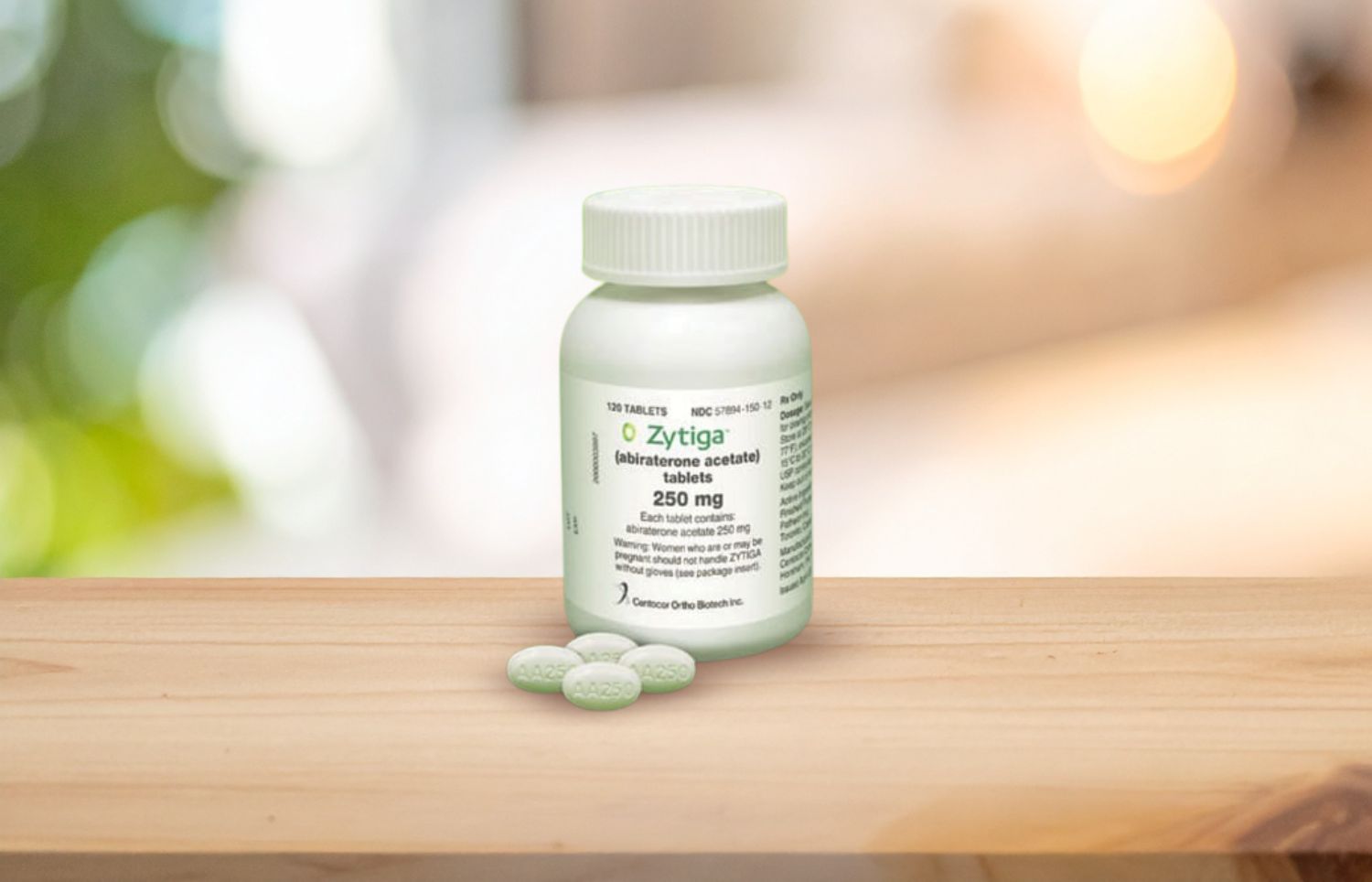
NICE has issued final guidance recommending abiraterone (marketed as Zytiga by Janssen)...
Researchers at the University of Sheffield have developed a novel implantable material...
On Tuesday 16 February, Improving Quality in Physiological Services (IQIPS) hosted its...




The Royal College of Obstetricians and Gynaecologists (RCOG) has recently published a...

Training in meditation and other mindfulness-based techniques brings lasting improvements in mental...
Current therapies for children with Crohn's disease don't fully restore healthy bacteria...


NICE have published a guideline on bladder cancer. This guideline offers evidence-based...

You've probably heard your GP mention Continence Advisors and Continence Physiotherapists before,...


Colorectal cancer has been linked to carbohydrate-rich western diets, but the underlying...
Researchers at Queen's University have made a significant breakthrough that may benefit...
Interstitial cystitis/bladder pain syndrome (IC/BPS) is a disorder with symptoms of mild to severe bladder pain...
UCLA researchers interviewed people with diverticulitis and confirmed that many suffer psychological...

Researchers at Georgetown Lombardi Comprehensive Cancer Centre have completed a critical step...
Some previous studies have linked the diabetes medication pioglitazone to bladder cancer.


























Cookie Policy Effective Date: 05-Jun-2024 Last Updated: 10-Jul-2024 To give our users...

If conservative treatments and/or medication have not worked and your haemorrhoids are...
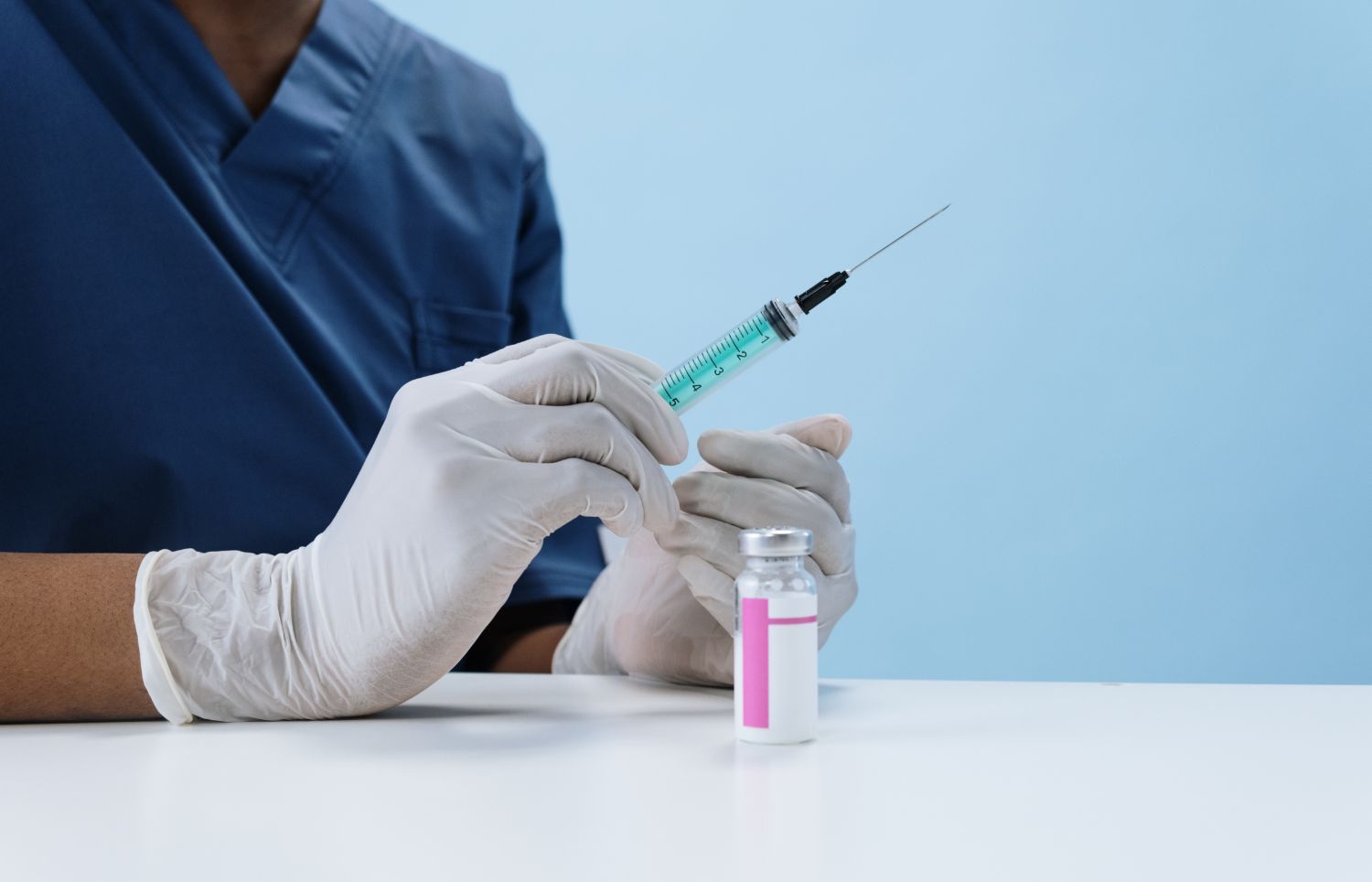






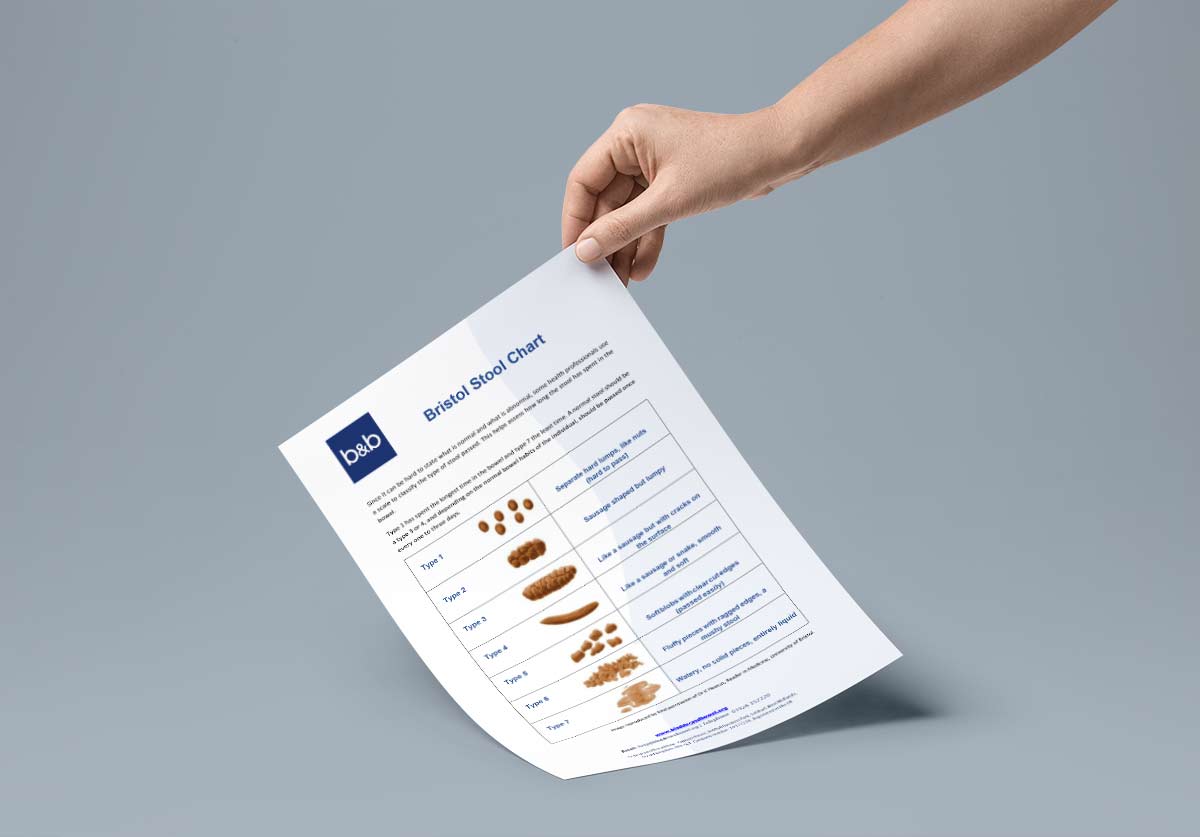
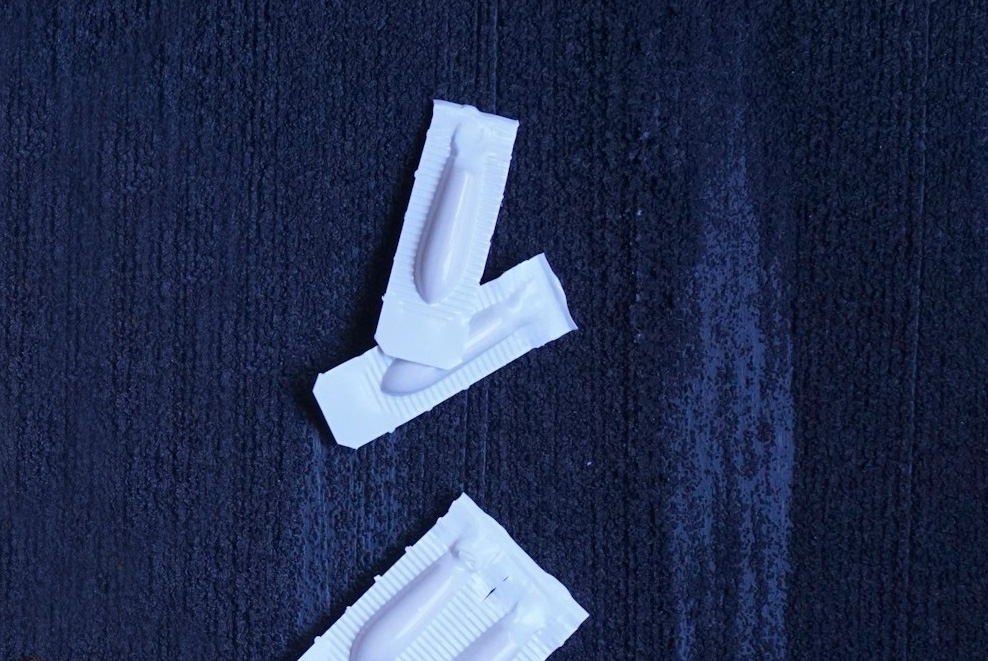
There are a number of different suppositories available. Suppositories are placed directly...
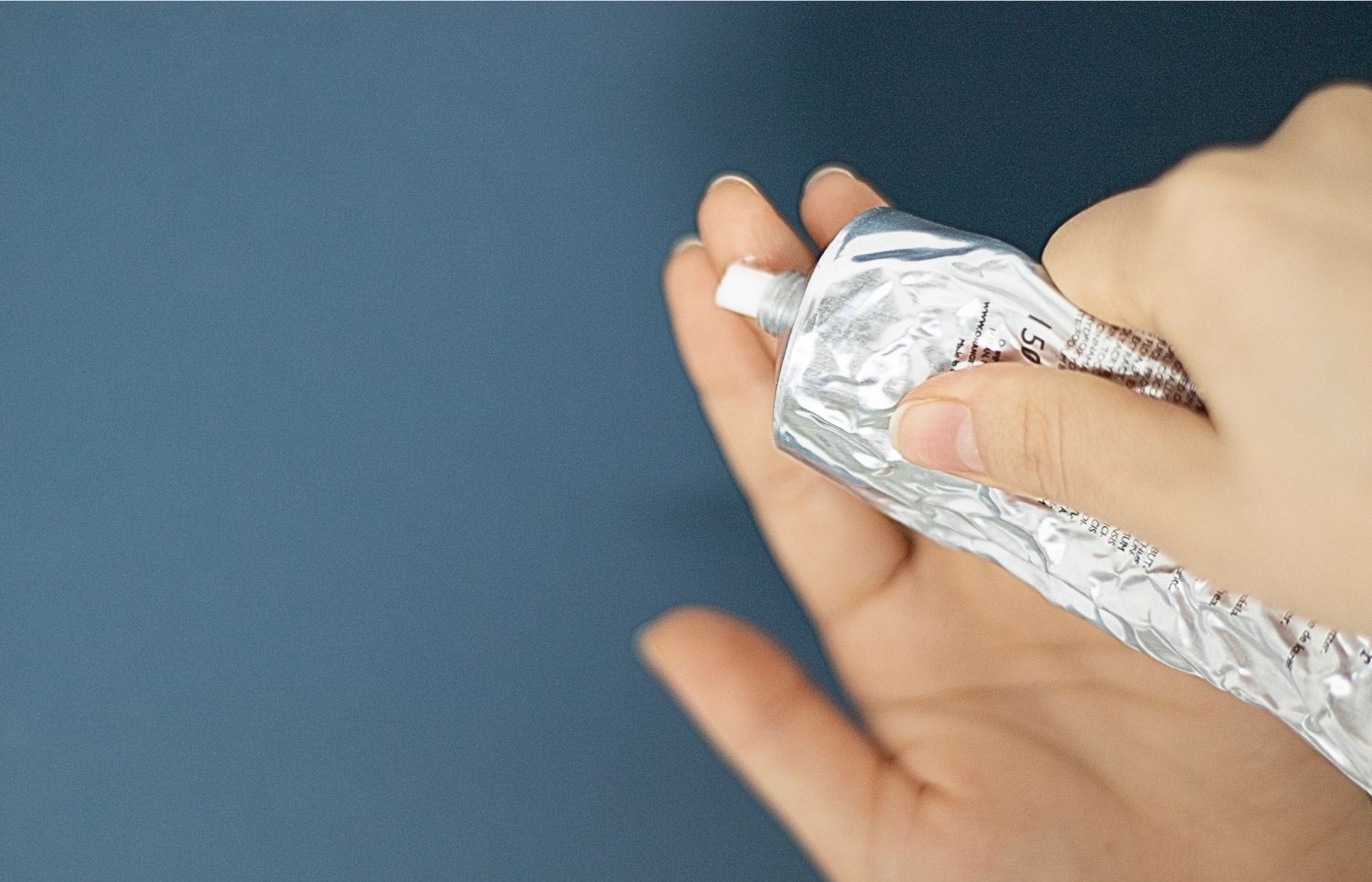


As most episodes of Diarrhoea are caused by bacteria, for instance, eating contaminated...



Anal irrigation, also known as bowel irrigation, trans-anal irrigation or rectal irrigation...































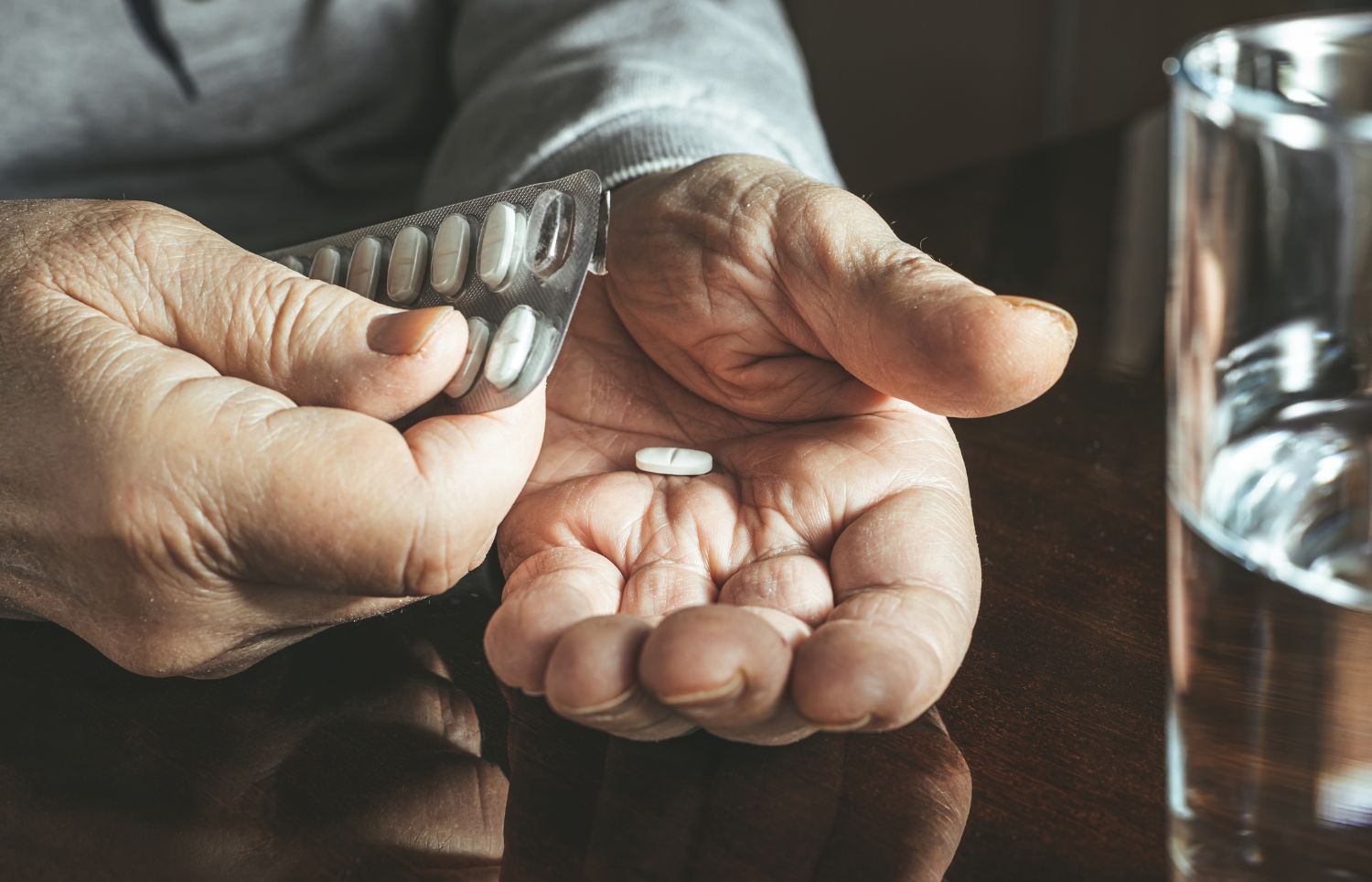

Betmiga contains active substance mirabegron. As a bladder muscle relaxant it reduces...

Anti-inflammatory medicines such as Diclofenac sodium, can help to reduce inflammation and to...




PTNS - Percutaneous Tibial Nerve Stimulation is indicated in Overactive Bladder (OAB)...


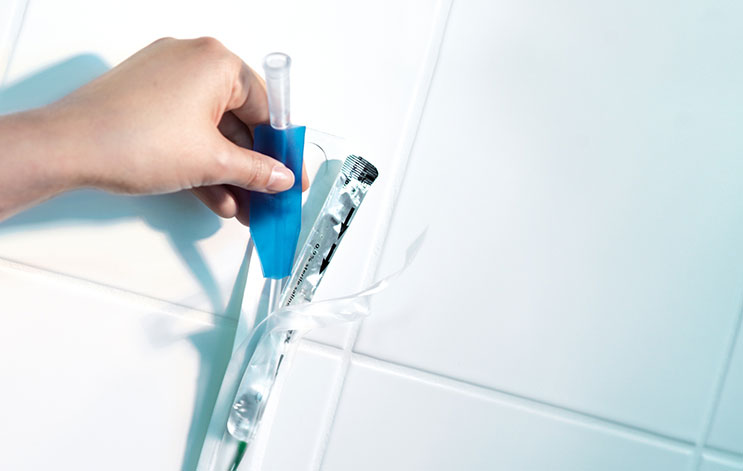














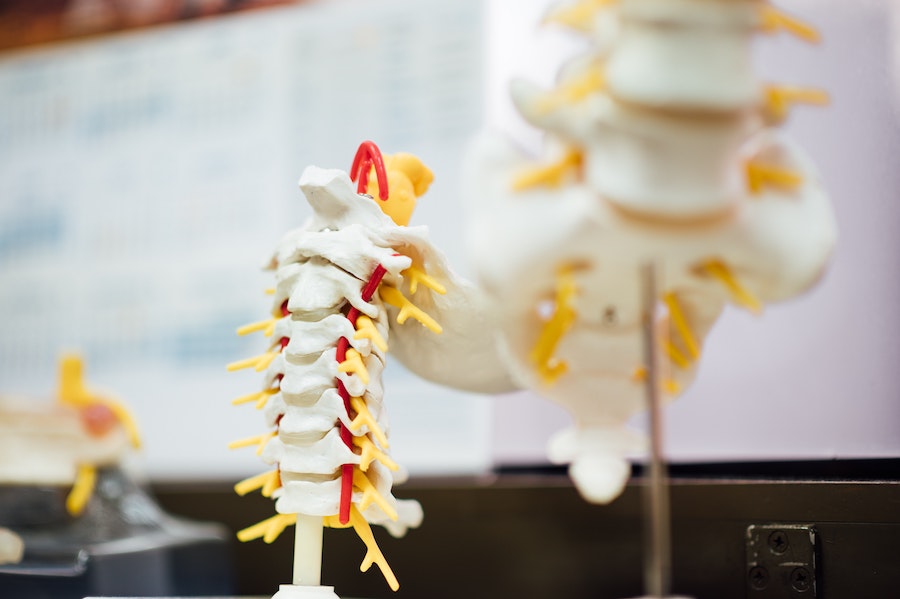





Mixed Urinary Incontinence is the involuntary leakage associated with Stress Urinary Incontinence and Urge...



Painful bladder syndrome or bladder pain syndrome, also commonly known as interstitial...





As a community built on the healthcare needs of real people, we see the every day challenges that patients face when trying to reach a diagnosis. Symptoms from bladder and bowel conditions can be debilitating, embarrassing and the first step to getting help can be the most difficult. Even from that first consultation, it can often be difficult to progress to get the help you need as efficiently as possible – and by that we mean as quickly and effectively, with as little stress as possible.
As a population, we are living longer and we often have multiple health conditions that need ongoing care. So if you’re experiencing health issues and struggling to know what to do for the best, this article is for you. We have produced an overview of the 4 main routes to care that you can try, if you’re struggling to get help.
We know, it’s a pain, right? It’s best to go to your GP in the first place, but this can be the hardest thing to achieve. First of all, we are all aware of the issues getting through on the phone in the first place. Then, before you even get to that all important ‘you are position number ONE in the queue’ it’s frustrating to hear the disappointing recording informing you that all appointments have been taken for that day.
So you persist. And you finally get through to the receptionist! But then they ask you personal questions about your condition. This is because in many GP surgeries, the receptionist is specially trained in how to deal with your query so instead of just setting an appointment. They may ask you for details of your symptoms, so if you’re not ready for this it can be a difficult conversation to have at that moment.
We recognise that all GP surgeries operate slightly differently, so do ask your neighbours for advice so that you can use the method that works best for your particular practice.
Continence Clinics are in place around the UK, but how these run and how you access them depends on your local area and which NHS Trust you’re under. This can be a little more tricky to navigate, as some clinics will rely on a referral from your GP or healthcare professional first, before allowing you to access the service.
At Bladder & Bowel Community we’re updating our records of all continence clinics in the UK, to ensure you have the most up to date information at your fingertips.
You can contact us if you need help finding your nearest clinic via our website.
A lot of the regional clinics are within hospitals, however some GP surgeries are now starting to hold continence clinics on a regular basis. This is of course dependent on local demand and resources, but do look out for this option in your area.
If you have private health insurance in the UK, you may be able to seek help a little differently . Private healthcare usually consists of an app system which connects you to a doctor within a few minutes or hours, but mostly you’ll be able to speak with a doctor on the same day. This is much the same as a telephone consultation with your GP, but the prescription route will likely be electronic and sent to your local elected Pharmacy to collect, should this be necessary.
The benefits of private healthcare include being able to speak to a doctor much more quickly, however your prescriptions are considerably more expensive and face to face appointments are not always offered on first enquiry. What’s more, the healthcare options you can ‘claim’ support for may be limited depending on your level of cover.
If you have a particular condition that is supported by charity work or research you may be able to reach out to them for advice. There are many charities set up to support the many types of cancer for example, or for specific conditions which also affect the bladder and/or bowel.
We’ve listed a few of the main ones below that you may seek out:
There are more ways you can seek help, and we may be able to signpost you better if we know what you need. If you need support with your mental health and wellbeing, which can also impact your physical, social and emotional health, you can seek further information in our article about how living with a bladder or bowel condition can affect your mental health.
Alternatively, you can contact us and we’ll do our best to help.
It can be difficut to talk about your health condition with friends or family, and its important to find a support system that works for you. At Bladder & Bowel Community we offer a community support group which is for people living with a bladder or bowel condition – the group offers a space to share ideas and support, as it can. Find out more and join our Online Support Group for help. Find out more.