



Catherine started experiencing rectal prolapse in 2020, at the height of the...


Blader & Bowel

With lockdown restrictions lifting further still, and with the recent announcement that...











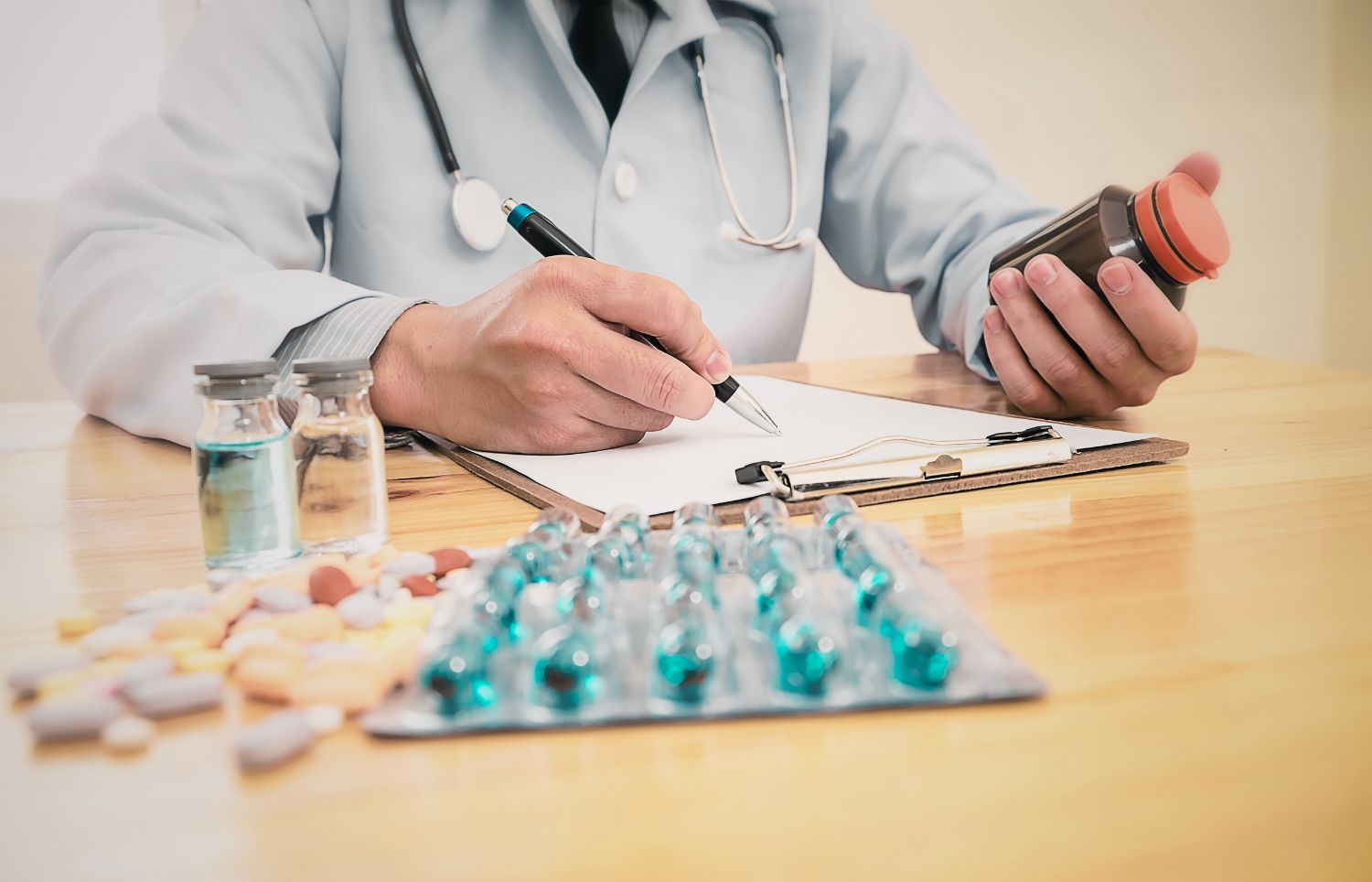
Tamsulosin hydrochloride is a medicine which is used to treat benign prostatic hyperplasia.


After enduring rounds of tests Melissa was finally diagnosed with endometriosis. Read...








Nutrition and hydration week is a social movement which supports positive discussions...



















This Returns Policy describes - Pellentesque habitant morbi tristique senectus et netus...














'Invincible Claire' was diagnosed with premature ovarian insufficiency and thyroid disease, after...









After years of suffering uncontrolled Ulcerative Colitis, Dan Callaghan underwent stoma surgery...







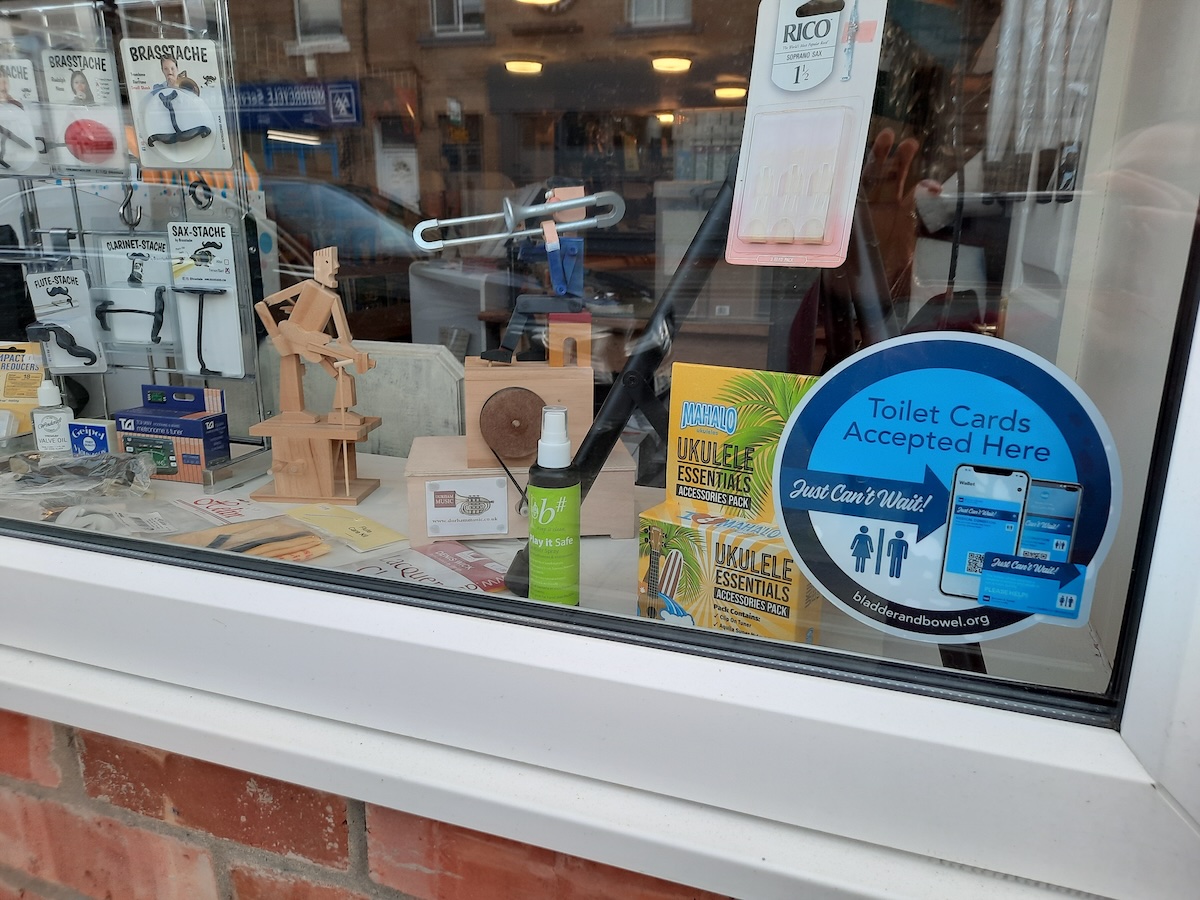
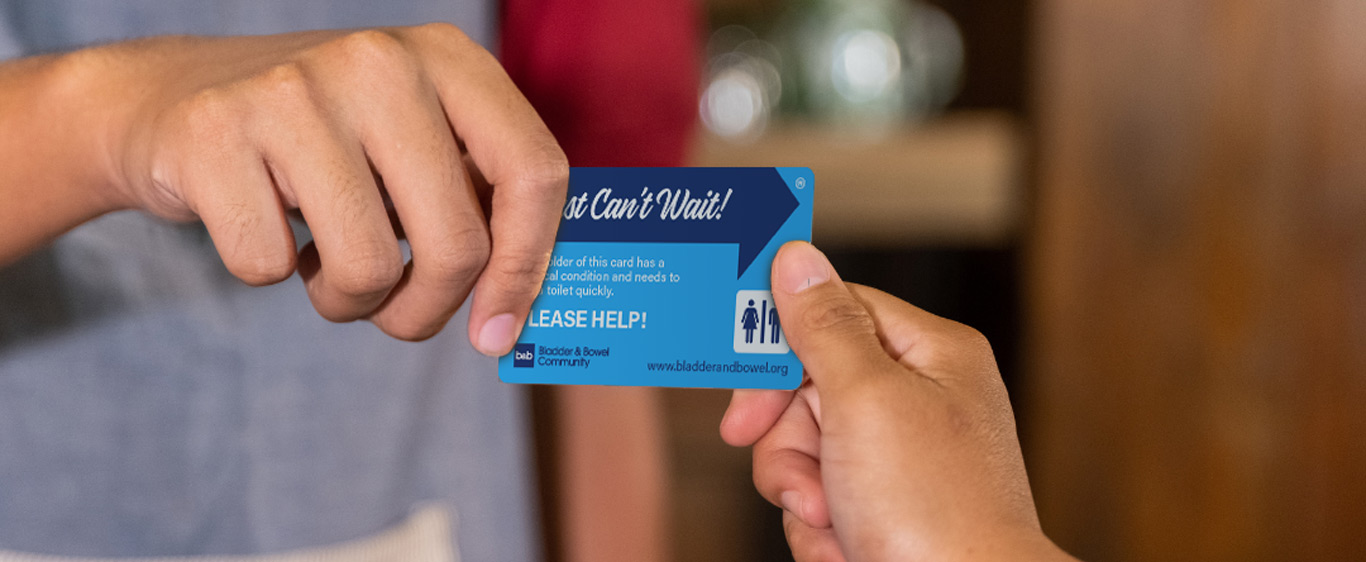
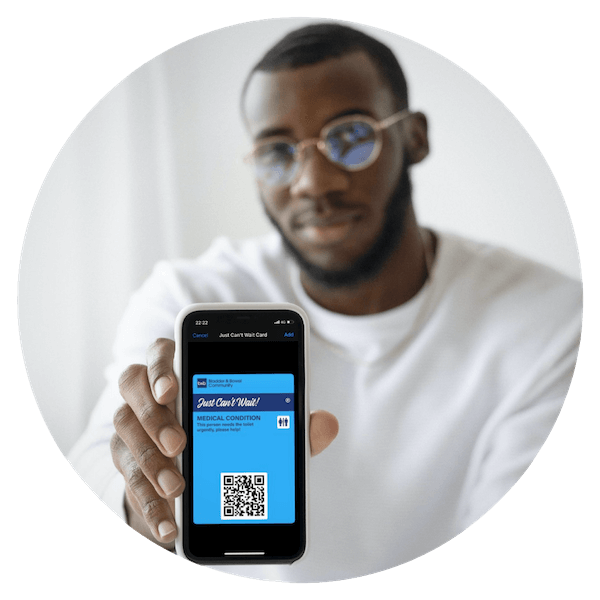
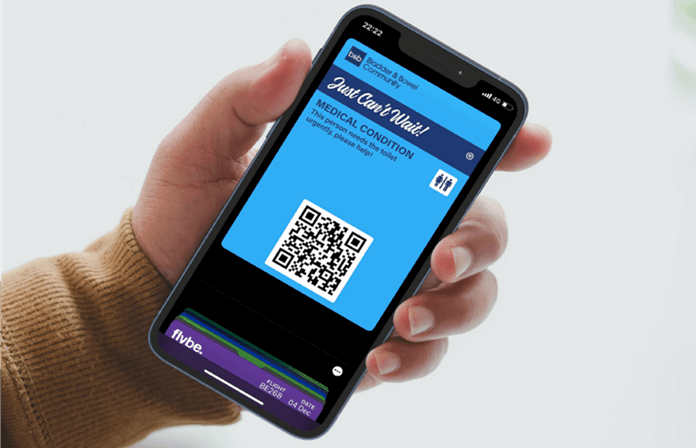
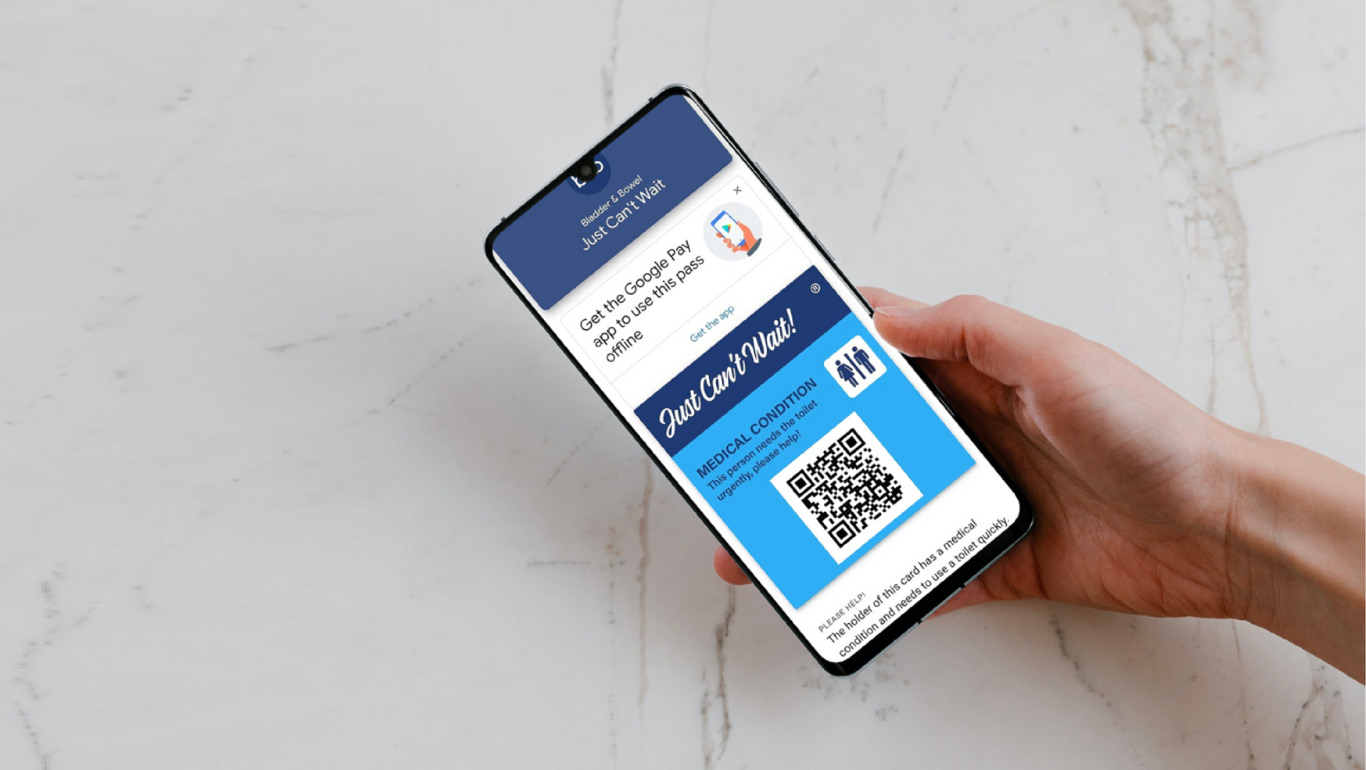
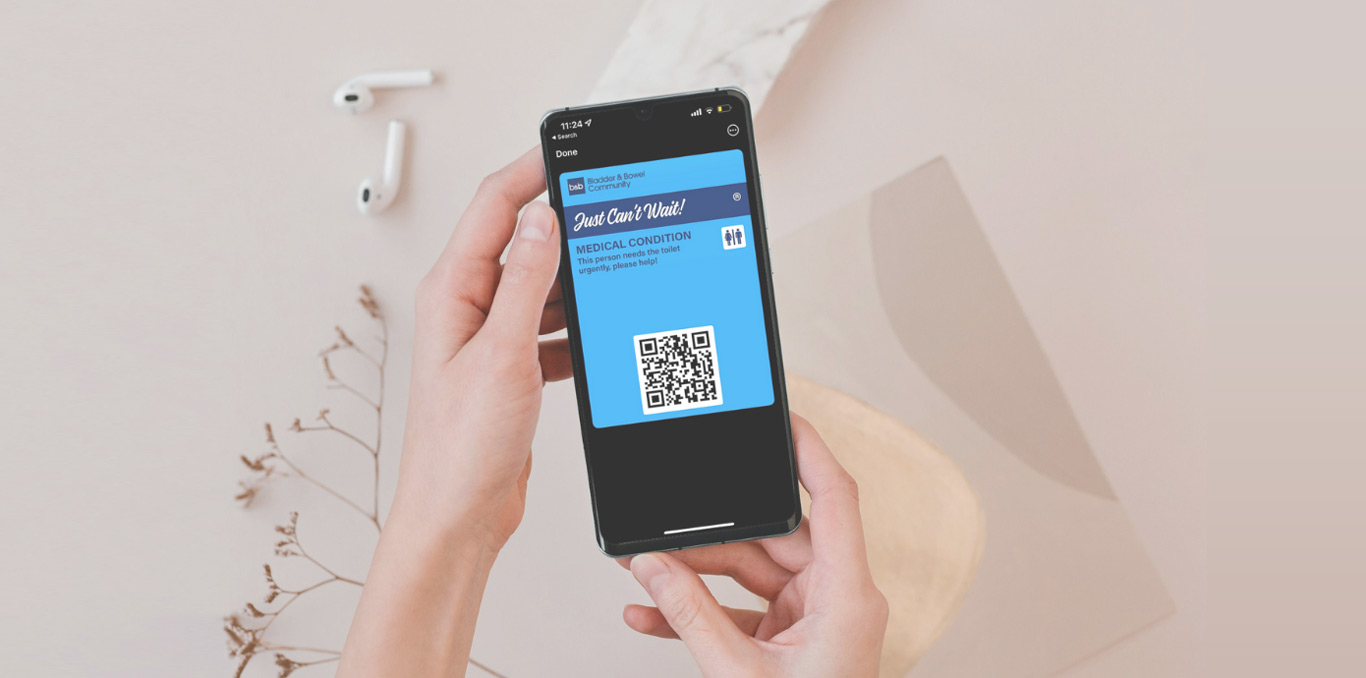
Introducing the national Just Can’t Wait Toilet Scheme for participating businesses and...













People who are diagnosed with Multiple System Atrophy (MSA) experience significant bladder...



Zoe, 24 from Oxfordshire/Northamptonshire border tells Bladder and Bowel Community how...









































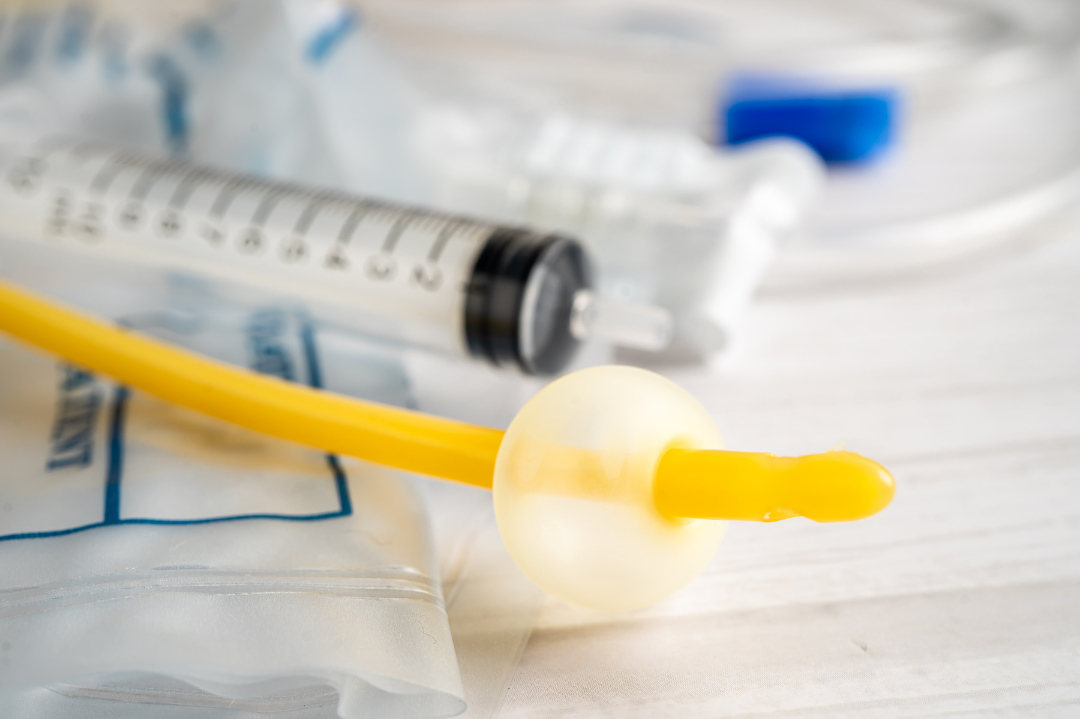

Occasionally people may experience problems with their urinary catheters or accessories and...

Director Joanne Umbers represents the Community in the discussion around public toilets...






















If you are currently receiving chemotherapy treatment for metastatic colorectal cancer with...












Urinary incontinence can be painful, embarrassing, and even debilitating. Whether it is...
Have you recently been diagnosed with incontinence? Maybe you’ve been experiencing symptoms...







Harriet Foulkes-Arnold, 34 from Shrivenham, suffered from leaks after having her first...





























AD This article contains links Published on 20/6/17 The impact of urinary incontinence...



Designed by chartered physiotherapists specialising in Pelvic Health working in the NHS,...


Post Prostate Cancer surgery? Suffering with leaks? A revolutionary, new incontinence treatment...


Dr. Adrian Wagg, from the University of Alberta, is conducting a survey exploring women’s sources of...

New early warning system to prevent life-threatening urinary infections in catheter users....
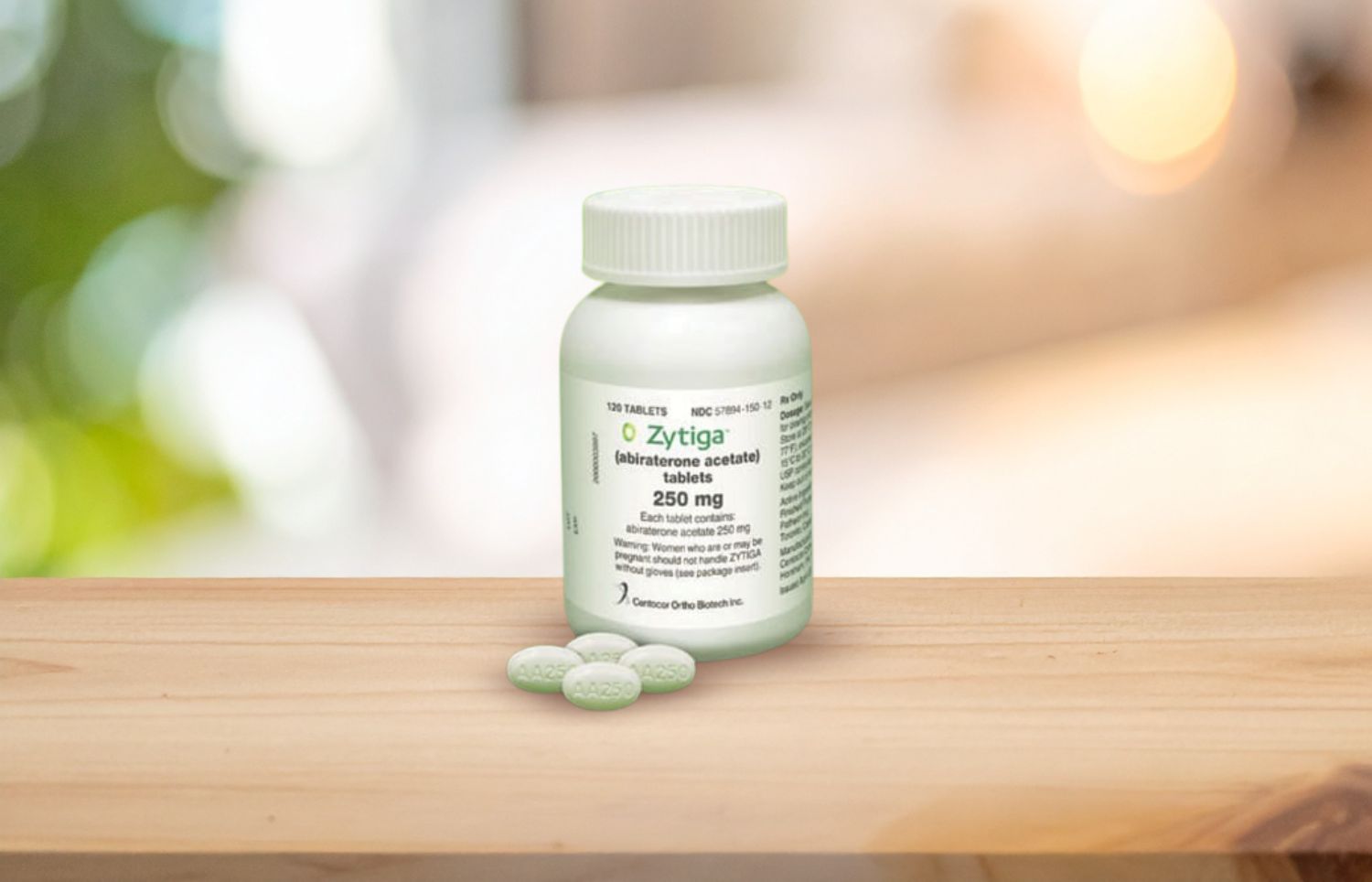
NICE has issued final guidance recommending abiraterone (marketed as Zytiga by Janssen)...
Researchers at the University of Sheffield have developed a novel implantable material...
On Tuesday 16 February, Improving Quality in Physiological Services (IQIPS) hosted its...


The Royal College of Obstetricians and Gynaecologists (RCOG) has recently published a...

Training in meditation and other mindfulness-based techniques brings lasting improvements in mental...
Current therapies for children with Crohn's disease don't fully restore healthy bacteria...
NICE have published a guideline on bladder cancer. This guideline offers evidence-based...

You've probably heard your GP mention Continence Advisors and Continence Physiotherapists before,...


Colorectal cancer has been linked to carbohydrate-rich western diets, but the underlying...
Researchers at Queen's University have made a significant breakthrough that may benefit...
Interstitial cystitis/bladder pain syndrome (IC/BPS) is a disorder with symptoms of mild to severe bladder pain...
UCLA researchers interviewed people with diverticulitis and confirmed that many suffer psychological...

Researchers at Georgetown Lombardi Comprehensive Cancer Centre have completed a critical step...
Some previous studies have linked the diabetes medication pioglitazone to bladder cancer.



















Cookie Policy Effective Date: 05-Jun-2024 Last Updated: 10-Jul-2024 To give our users...
If conservative treatments and/or medication have not worked and your haemorrhoids are...






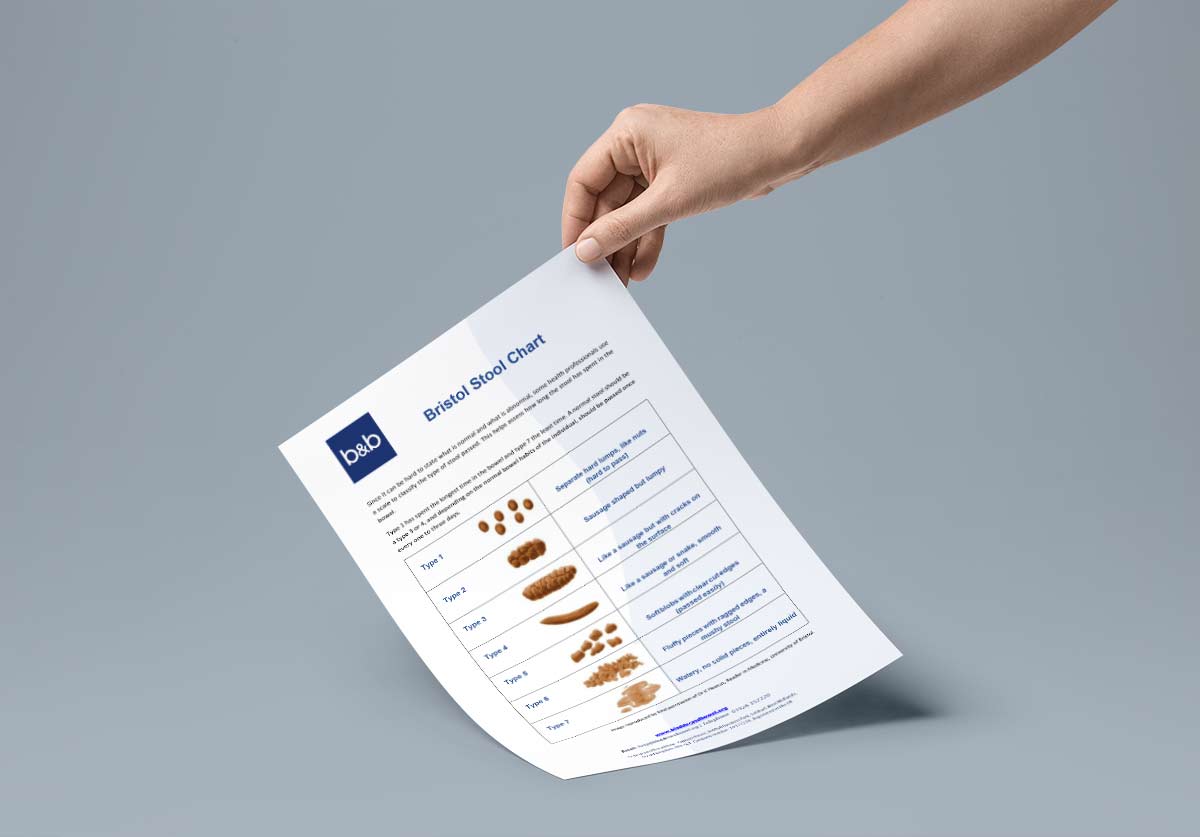
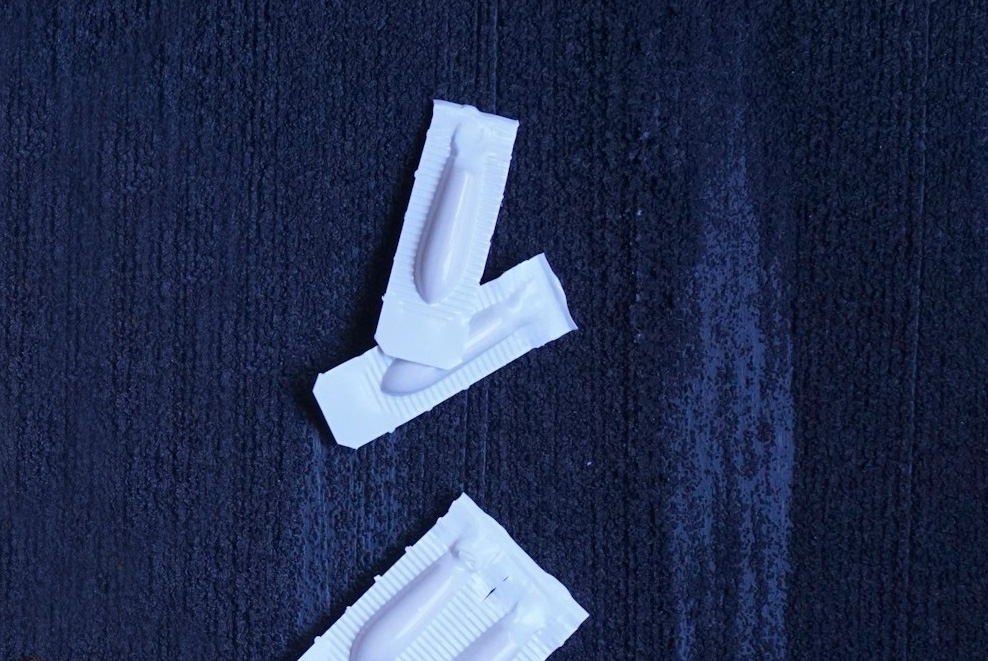
There are a number of different suppositories available. Suppositories are placed directly...
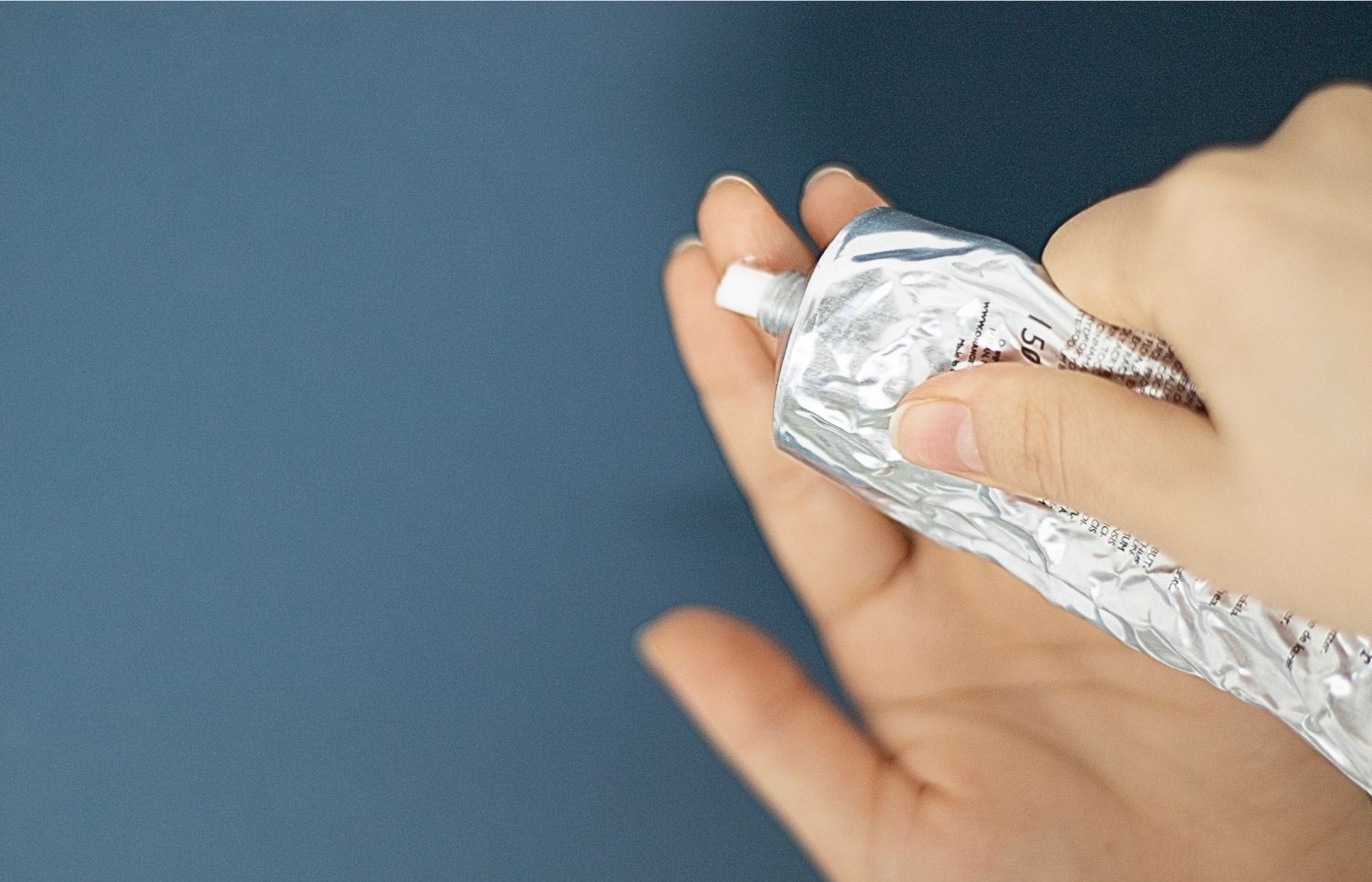
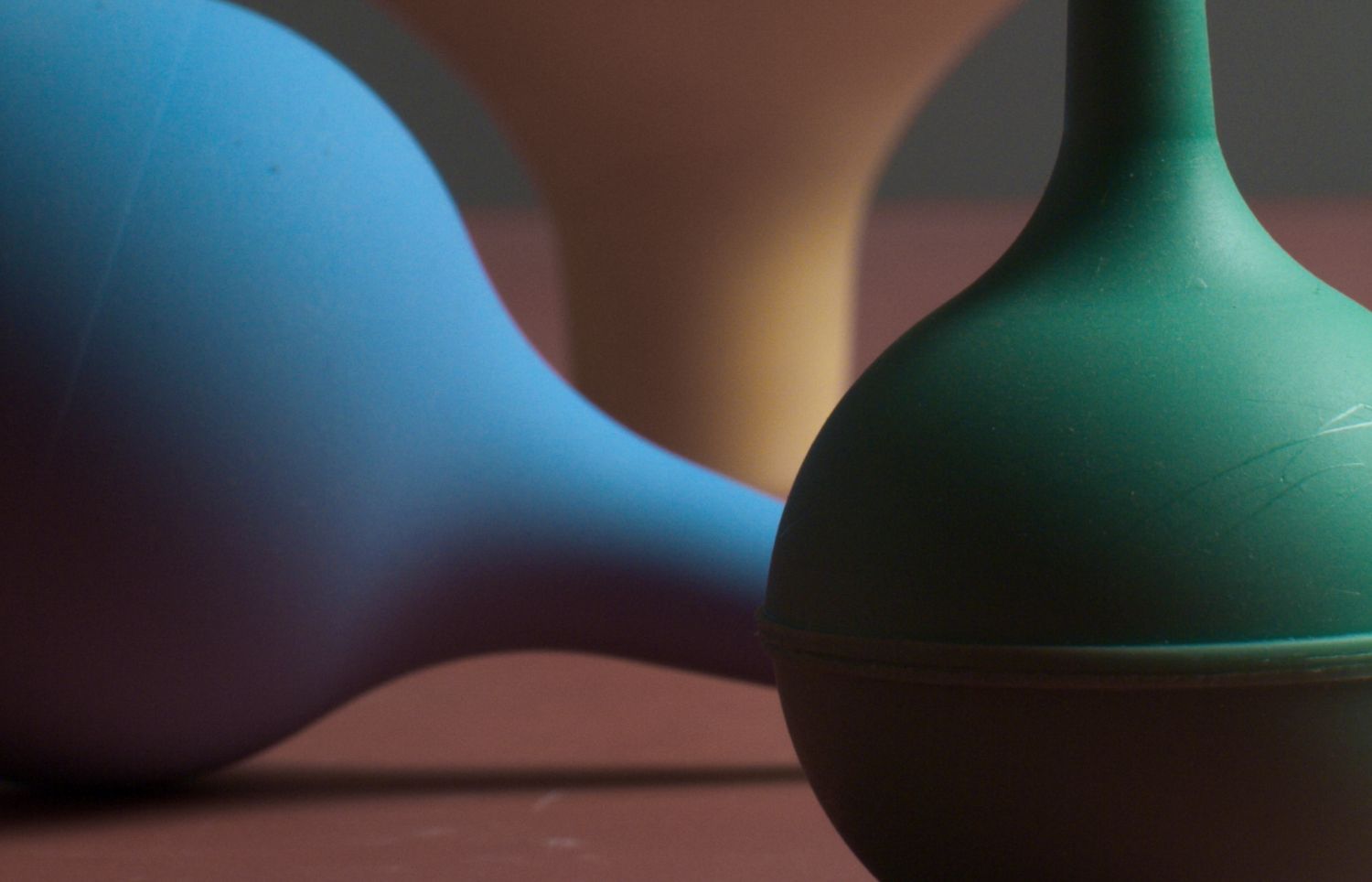
As most episodes of Diarrhoea are caused by bacteria, for instance, eating contaminated...



Anal irrigation, also known as bowel irrigation, trans-anal irrigation or rectal irrigation...




















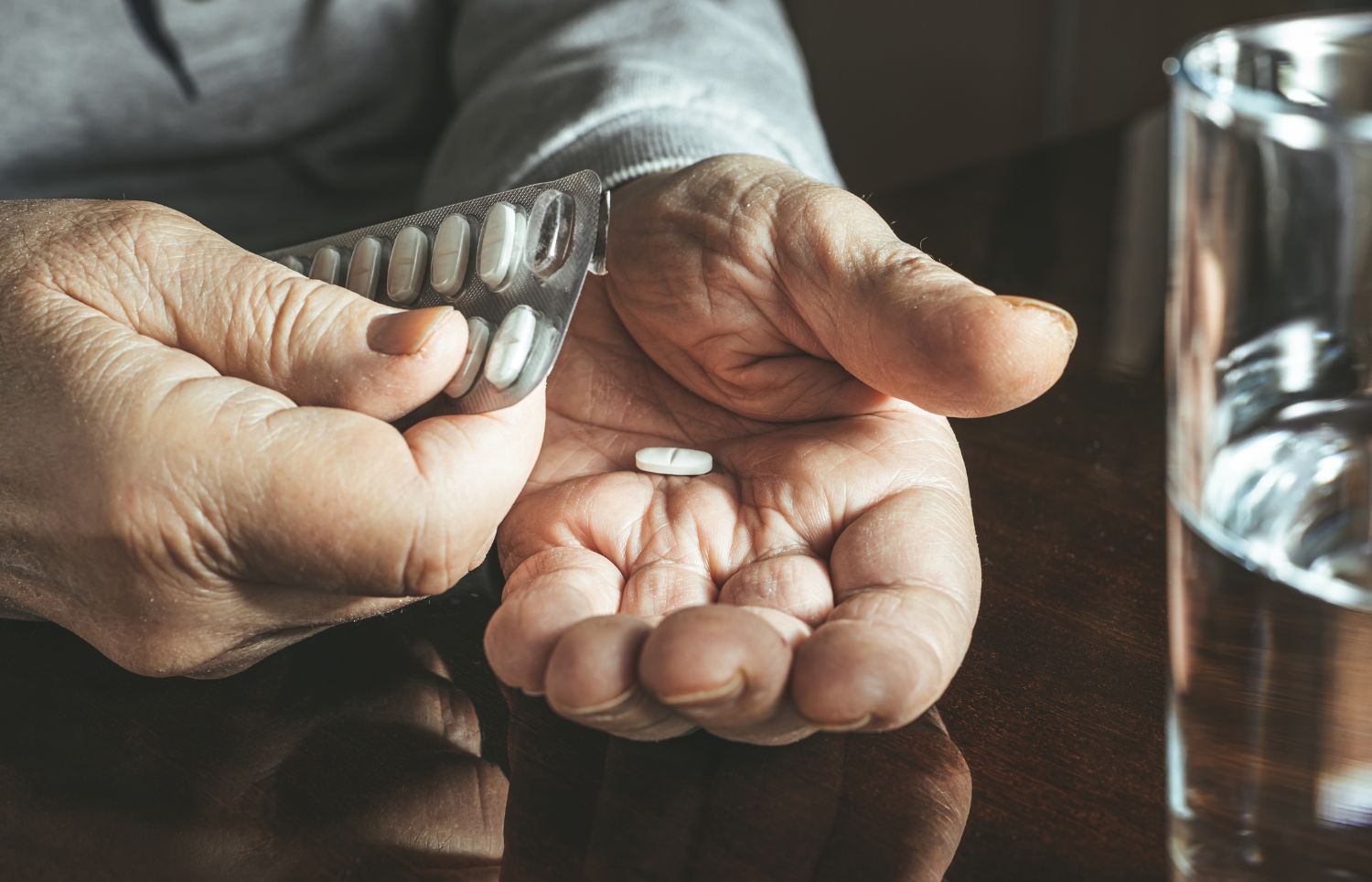
Betmiga contains active substance mirabegron. As a bladder muscle relaxant it reduces...
Anti-inflammatory medicines such as Diclofenac sodium, can help to reduce inflammation and to...


PTNS - Percutaneous Tibial Nerve Stimulation is indicated in Overactive Bladder (OAB)...














Mixed Urinary Incontinence is the involuntary leakage associated with Stress Urinary Incontinence and Urge...


Painful bladder syndrome or bladder pain syndrome, also commonly known as interstitial...





Endometriosis isn’t just a reproductive condition. It’s a full-body, full-life condition that can reshape everything from how you feel in your skin to how you move through the world. In my case, it didn’t just affect my uterus, it stuck my intestines to my appendix.
Yes, you read that right.
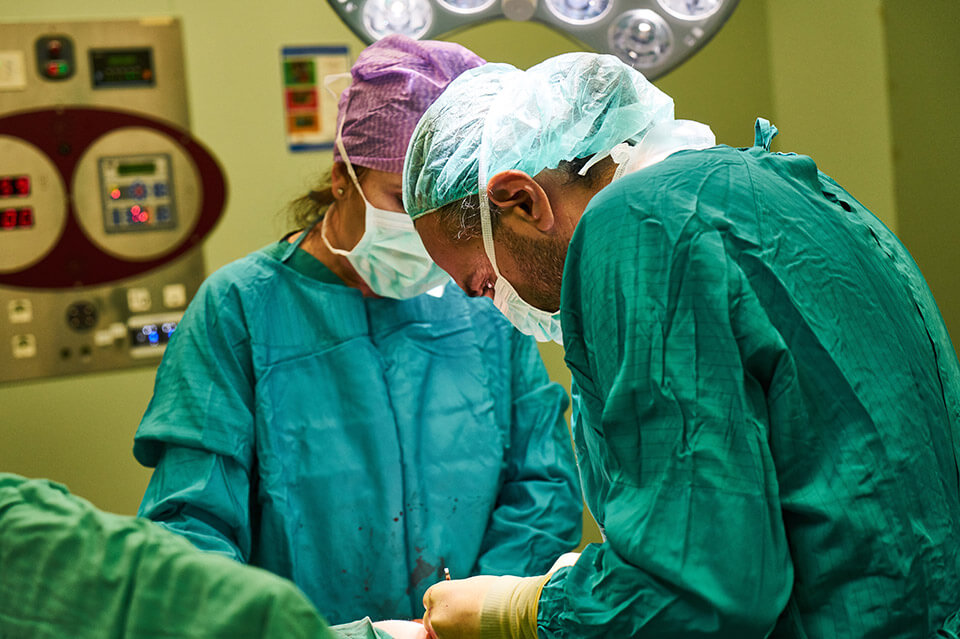
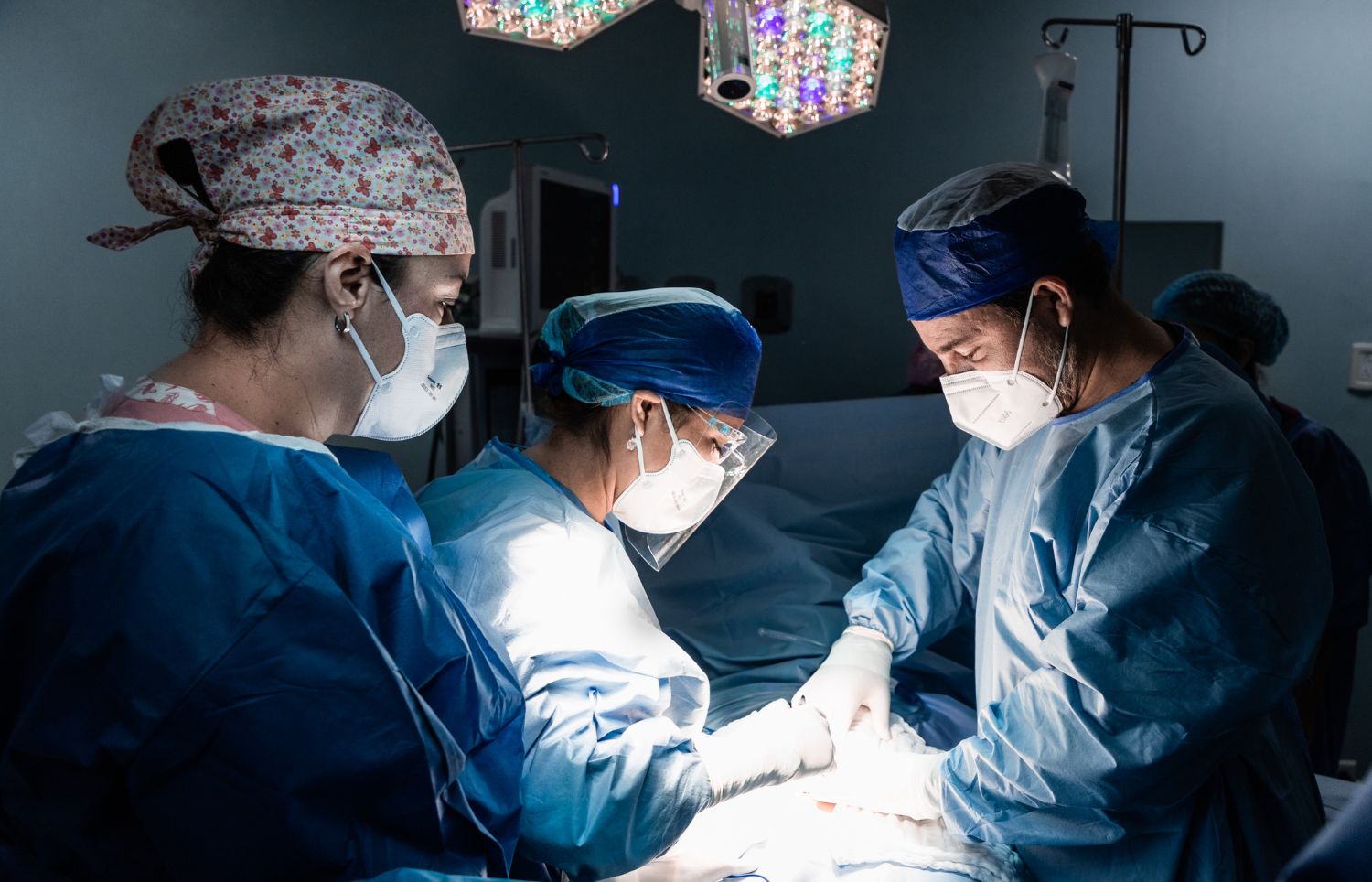
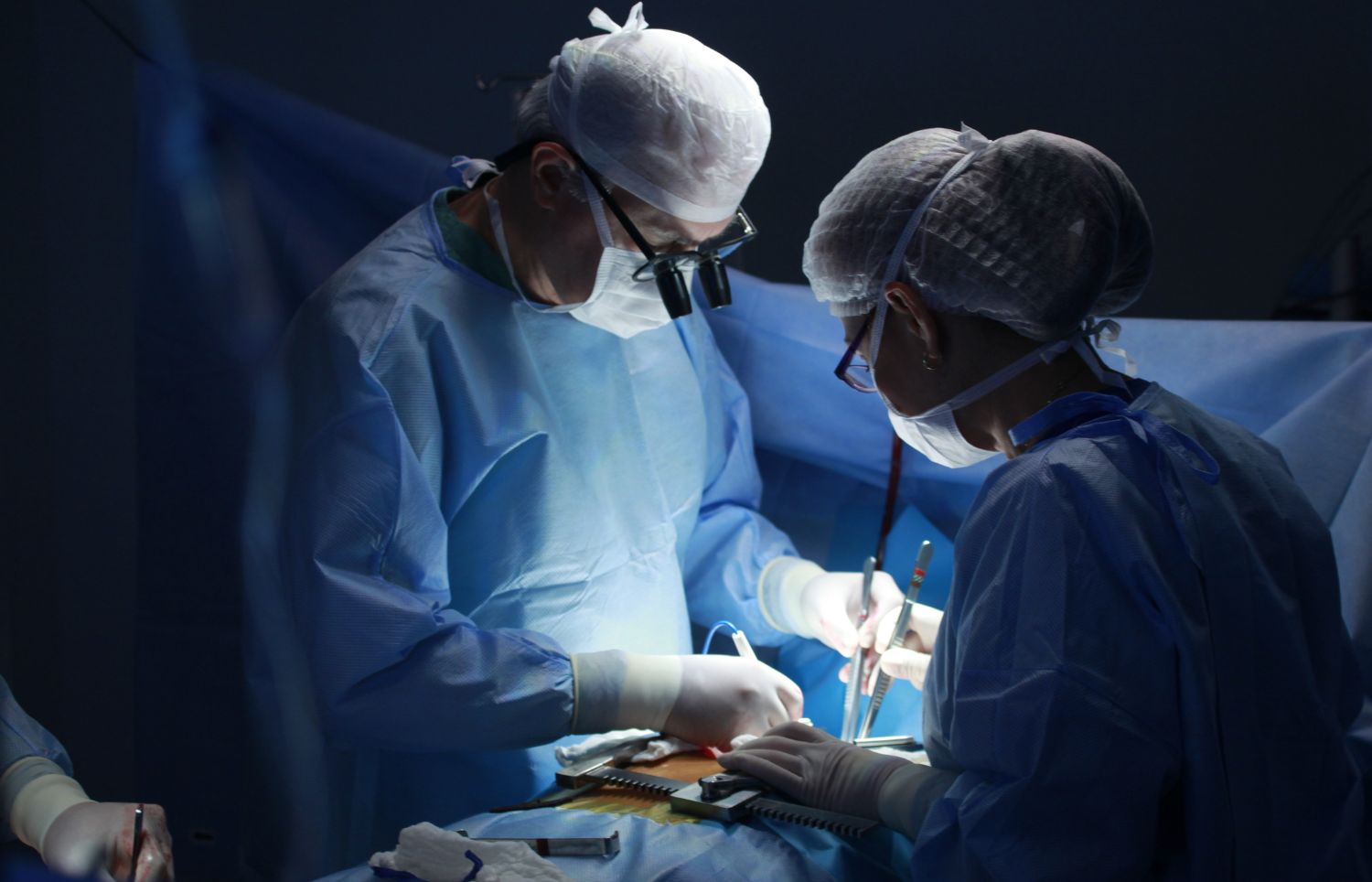
During surgery, doctors discovered endometrial tissue gluing my intestines to my appendix. It was photographed. Documented. Real. They planned to remove it, but ultimately decided to leave it alone, fearing the damage it might cause to my bowel. After surgery, I was referred for a colonoscopy to ensure there was no internal bowel endometriosis. Thankfully, there wasn’t. But the symptoms that led me there still linger.
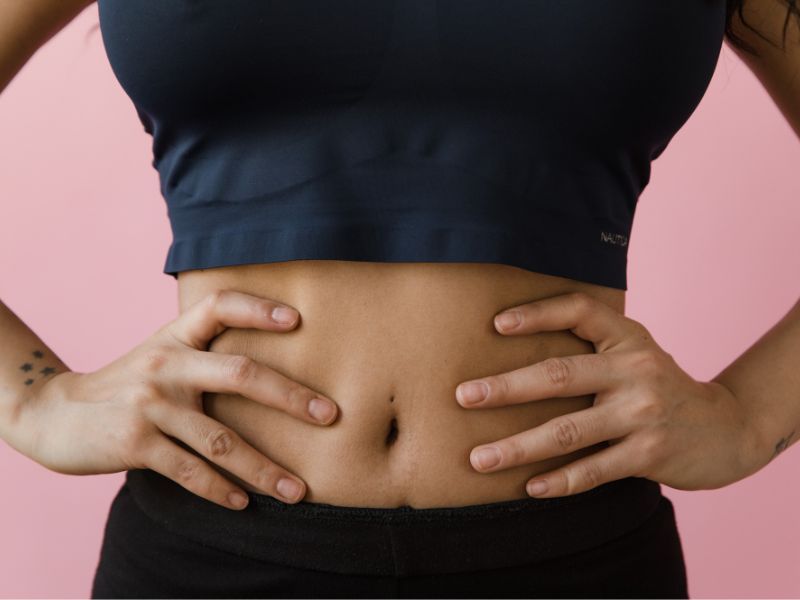
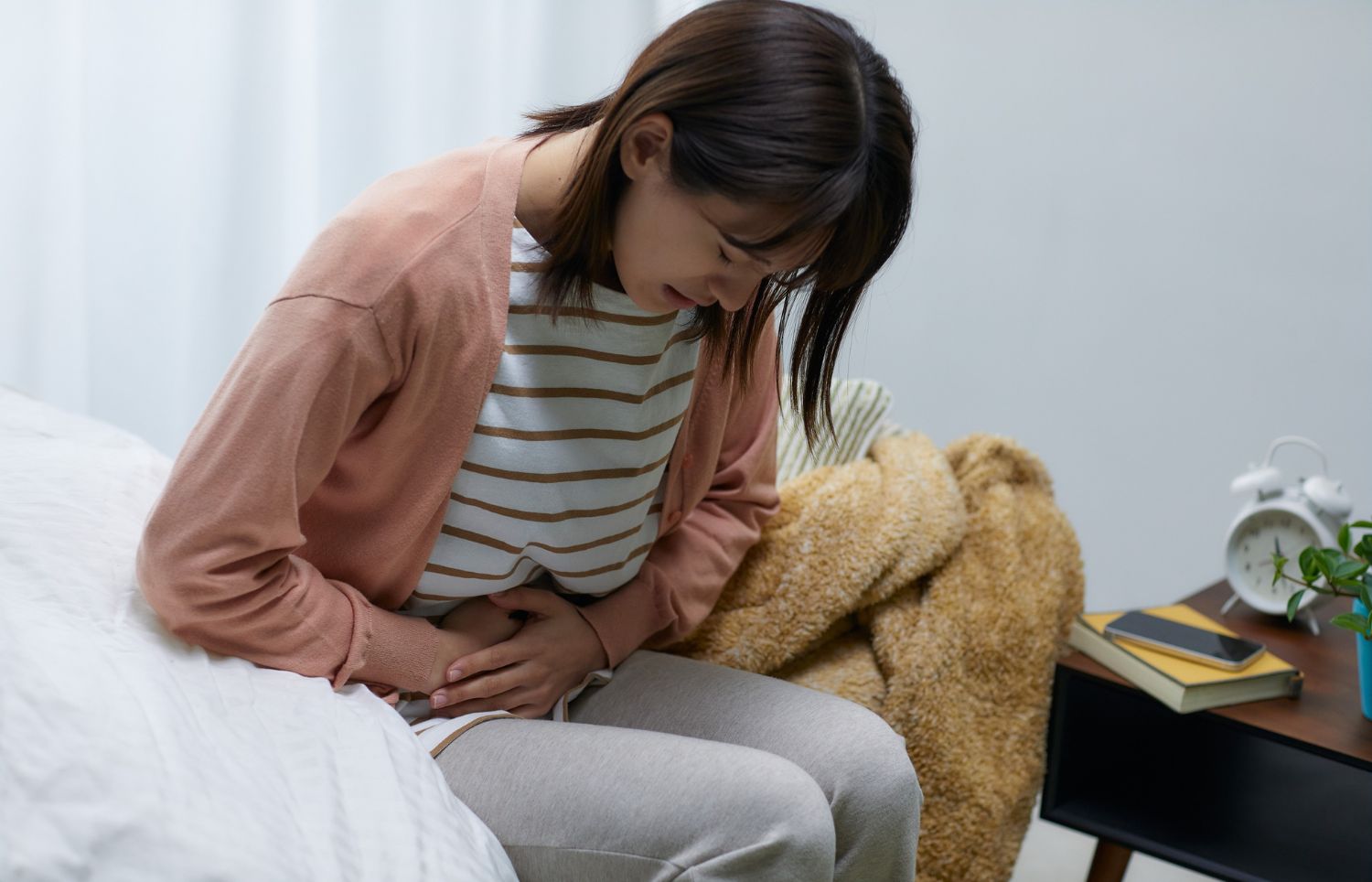
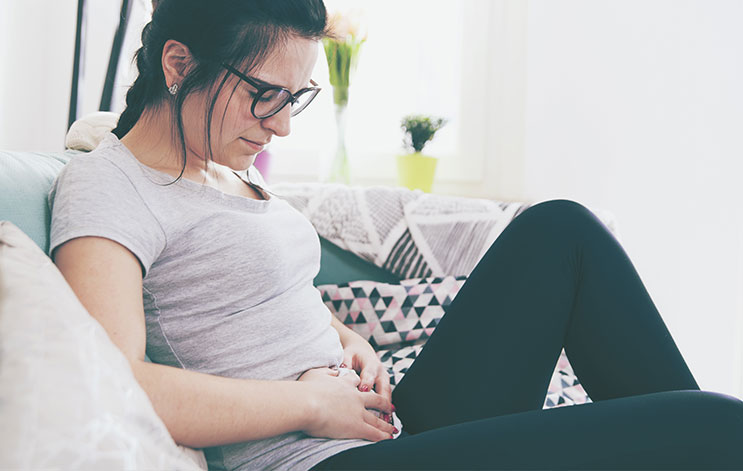
Like many people with suspected bowel endometriosis, I experience a rollercoaster of gastrointestinal issues—days of constipation, sudden diarrhoea, bloating, and sharp pain. I’ve battled diarrhoea for most of my life and have no idea if it’s connected to endo or not. But I do know that I’ve spent years wondering if my body was betraying me or if I was just being overlooked by doctors who didn’t understand.
Turns out, it was neither. I had endometriosis. And it was everywhere.
When I finally received my diagnosis, it was a relief and a heartbreak all at once. On one hand, I wasn’t crazy, my pain was real, and it had a name. On the other, I realised how much time I had lost being misdiagnosed, dismissed, or gaslit.
Endometriosis is not merely a “bad period”; it’s a systemic condition that can affect the entire pelvic region and beyond. Unfortunately, it seems many healthcare providers are not trained to connect these dots, leaving patients without the information they need to recognise and address these symptoms.
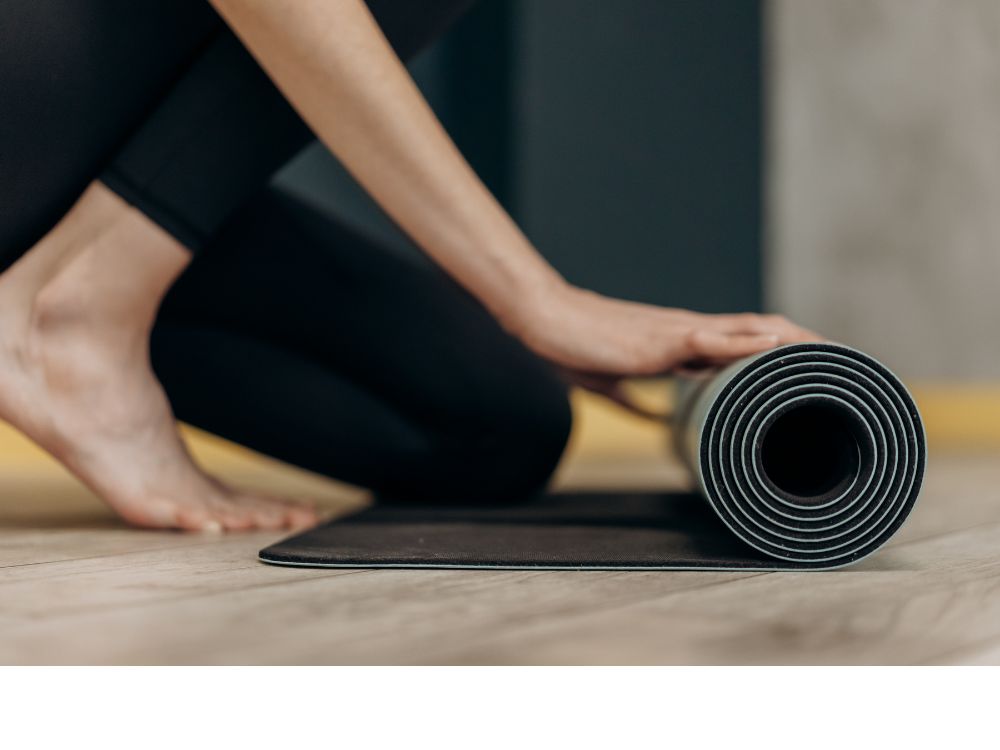
After my colonoscopy, performed while the GI doctor sang Pitch Perfect songs—iconic, I began building my own toolkit to manage the symptoms. Gentle stretches like spinal twists and cobra pose became part of my daily routine to ease abdominal tension and stimulate digestion. Sometimes they work. Sometimes they don’t. But they help me feel like I’m doing something for my body and for my peace of mind.

Whether your symptoms look like mine or completely different, I want you to know: you are not imagining things. Chronic Illness is real, and it impacts more than just your body. It touches everything, your digestion, your energy levels, your sense of self.
For me, it’s also touched my future.
Endometriosis has deeply affected my fertility. I’ve lost one ovary. I’ve lost the ability to have children. I’ve spent years wrestling with the grief of that, alongside the physical pain, and the confusion of what womanhood means when your body doesn’t follow the script you were taught to expect.
My book, What Endometriosis Couldn’t Take from Me, is my attempt to speak to those like me. To help others battling the unknown to feel seen—but also to reclaim something powerful. The book is honest. It’s raw. And it doesn’t sugarcoat the hardest parts of chronic illness, body image, and infertility. But it also offers light: reflections, small joys, and reminders that we’re still whole. Even when our bodies feel broken.
If you’re carrying your own story in silence, I hope you know you’re not alone. And you don’t have to carry it forever.
The more we talk about bowel endometriosis, infertility, and the mental health toll of chronic illness, the less power silence holds. That’s why I’m so grateful to Bladder and Bowel Community for creating space for patient stories like mine. Because awareness doesn’t start in a lab—it starts with people being brave enough to say, “this happened to me.”
I’m not a doctor, and I don’t have all the answers. But I do know what it feels like to be dismissed, scared, and in pain. I know what it’s like to go under anesthesia not knowing what they’ll find. I know what it’s like to grieve a body you thought you knew.
And I know this: I survived it. I’m still surviving it. And I’m still speaking.
Because sometimes, survival looks like stretching. Sometimes it looks like crying in your car. And sometimes—it looks like telling your story.
My mantra? Do the hard thing. Because we already do. Every day.
There is more information and other patient stories available on endometriosis on the bladderandbowel.org website.